Choosing the right manufacturing model can significantly affect an electronics product’s development speed, cost, quality, and ability to scale. Companies entering the Chinese manufacturing ecosystem commonly consider working through a manufacturing agent or establishing a direct relationship with an ODM. We believe the right choice depends on how much technical support, production control, communication, and long-term collaboration a project requires. Understanding these differences can make B2B manufacturing partnerships more productive from the beginning.
What Does a Manufacturing Agent Do?
A manufacturing agent typically acts as an intermediary between a buyer and one or more factories. Depending on the arrangement, the agent may help identify suppliers, communicate requirements, negotiate commercial terms, coordinate production, and monitor orders.
This model can be useful for businesses that already have mature product designs and internal engineering resources. The agent can simplify supplier discovery and communication, particularly for companies unfamiliar with China’s manufacturing environment.
However, the level of technical involvement can vary considerably. A manufacturing agent may coordinate between parties without directly providing the engineering resources required to redesign a product, develop a PCB, or prepare a new concept for mass production.
What Is Direct ODM Manufacturing in China?
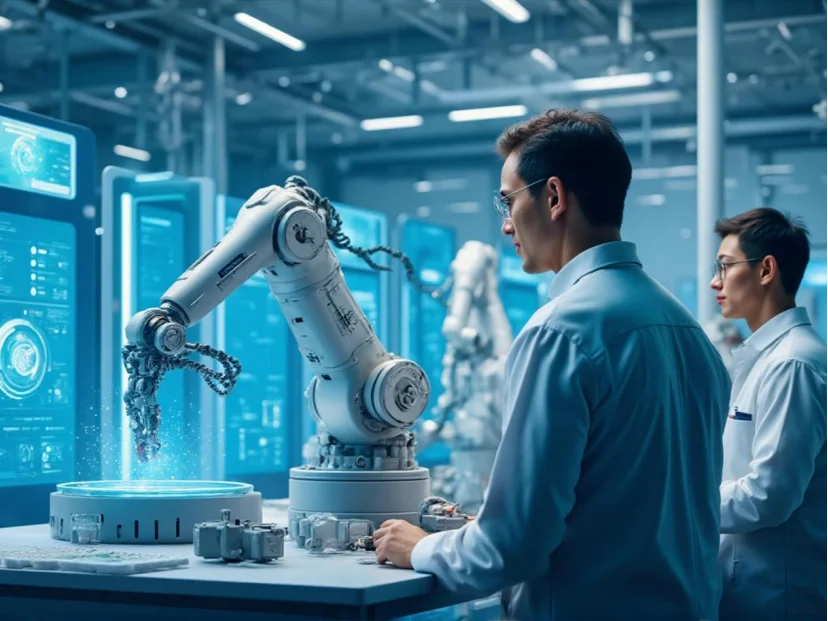
An ODM, or original design manufacturer, takes a deeper role in product development. Instead of simply coordinating production based on completed specifications, an ODM can contribute engineering expertise and help transform a product concept into a manufacturable solution.
For companies considering manufacturing agent ODM China options, this distinction is important. A direct ODM relationship can reduce the number of separate parties involved in technical development and manufacturing.
We provide ODM electronics services for customers that have a product idea and market opportunity but need technical development support. Our team handles the hardware design process and helps transform concepts into production-ready products.
Compare Your Internal Engineering Capabilities
The first question we recommend asking is whether your company already has the engineering resources needed to complete the product.
If your team has finalized schematics, PCB files, bills of materials, mechanical drawings, testing requirements, and other production documentation, a manufacturing agent may provide sufficient coordination support. You may primarily need factory access, procurement assistance, and production oversight.
If the product remains at the concept stage, the requirements change. You may need hardware development, PCB layout, mechanical engineering, prototyping, design optimization, and manufacturing preparation. In that situation, direct ODM collaboration can provide a more integrated path.
Consider Communication and Decision-Making
Every additional intermediary can introduce another communication layer. For relatively straightforward production, this may not create significant difficulties. For technically complex products, however, repeated transfers of engineering information can slow decision-making and create opportunities for misunderstanding.
We see direct communication as an important part of effective B2B manufacturing partnerships. Our approach connects engineering and manufacturing teams so that technical questions can be addressed within the same project workflow.
This is particularly valuable when requirements change during development. A manufacturing engineer can assess production implications while the product is still being refined instead of waiting until the final design reaches the factory.
Evaluate the Complete Development-to-Production Scope
The scope of services should also influence the decision. Businesses should look beyond basic factory access and examine what happens before and after manufacturing begins.
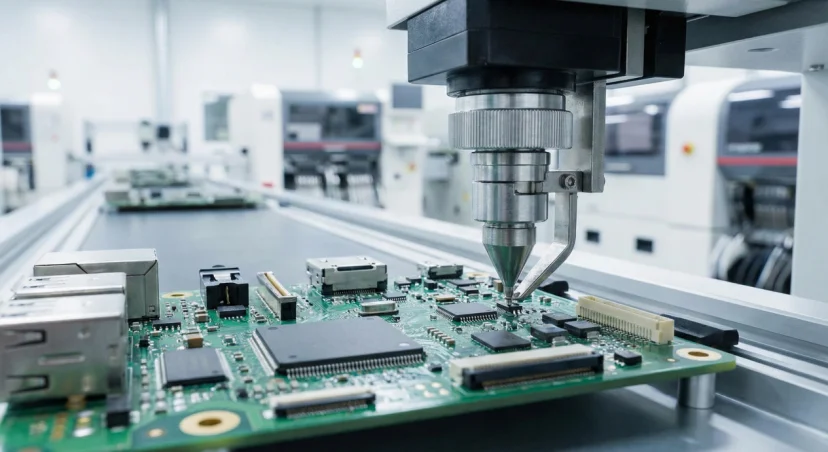
Our current ODM capabilities include hardware development, PCB layout, electronics and enclosure design optimization, rapid prototyping, trial production, PCBA, assembly, testing, packaging, and mass production. We also support DFM optimization and supply chain setup during the transition toward volume manufacturing.
For companies developing a new electronic product, this integrated model can reduce the need to coordinate separate design, prototyping, and production providers.
Think About Production Flexibility and Scale
We regard production volume as another key consideration. Startups and emerging brands may not know their final market demand, which makes flexibility especially valuable. In contrast, larger enterprises tend to prioritize stable capacity, consistent quality, and supply chain continuity.
We support projects from prototypes and low-volume trials through mass production, without a strict MOQ requirement. This allows customers to adjust manufacturing volumes as products move through development and market validation.
We believe a flexible manufacturing model can be especially useful for businesses expecting their production requirements to evolve.
Compare Long-Term Value, Not Just Initial Cost
A manufacturing agent may appear attractive when the immediate objective is finding a suitable factory. However, the lowest coordination cost does not necessarily produce the lowest overall project cost.
Engineering support, prototype iterations, component sourcing, DFM optimization, production preparation, and quality management can all influence the total cost of commercialization. A direct ODM partner that integrates these activities may reduce duplicated communication and shorten development cycles.
For this reason, we recommend evaluating B2B manufacturing partnerships according to total project value rather than focusing exclusively on the initial manufacturing quotation.
Choosing the Right Manufacturing Relationship for Your Growth
A manufacturing agent can be appropriate when a company already has a mature product and mainly needs supplier coordination. Direct ODM manufacturing can be more suitable when the company needs technical development, engineering collaboration, prototyping, and production support from the same partner.
At Minewing, we support businesses that need more than factory coordination. With more than 20 years of experience, we combine electronics development, engineering, prototyping, supply chain preparation, and manufacturing in one workflow. Our ODM Electronics service helps customers turn product ideas into production-ready hardware while maintaining flexible cooperation models.
Ultimately, the best manufacturing relationship should match the maturity of your product, the capabilities of your internal team, your expected production volume, and the level of technical involvement you require. When these factors align, the manufacturing partnership becomes more than a sourcing arrangement—it becomes a practical foundation for bringing your electronics product to market.