
Your wireless board, firmware, enclosure and final assembly, developed and built by one team. Minewing brings 20 years of electronics manufacturing experience to IoT hardware development, with no minimum order quantity.
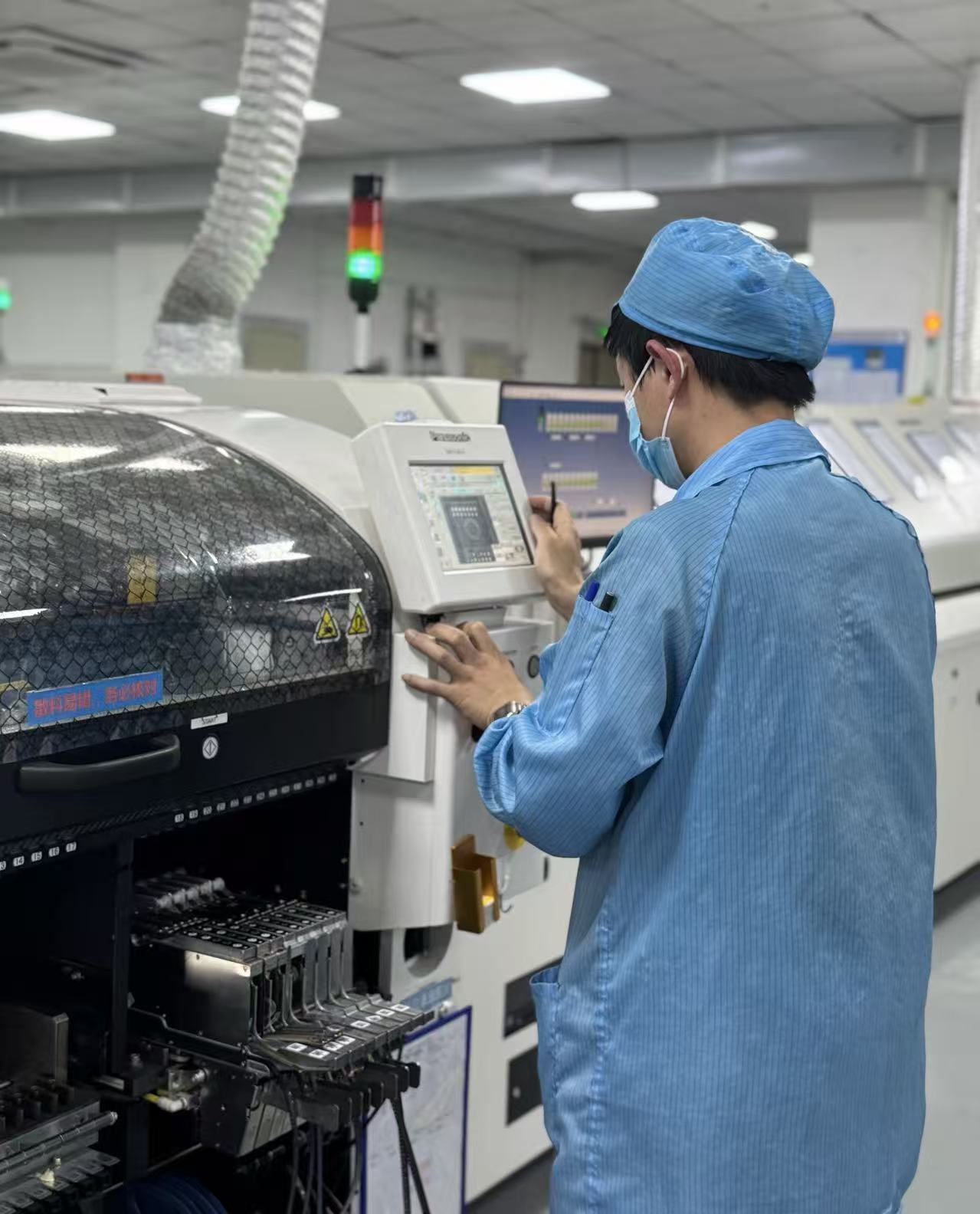
Electronics engineering and manufacturing at Minewing
One prototype, a first batch or an ongoing production programme.
Four in-house disciplines working through one engineering team.
A structured quality system from trial builds to volume production.
From enterprise programmes to crowdfunded hardware




Serving enterprise customers including Bosch and State Grid, and hardware teams launching on Kickstarter and Indiegogo.
A sensor that sleeps for most of the day needs a different design from an always-on gateway. We start with the environment, connectivity and power budget, then build the electronics and enclosure around them.
01
Presence sensors, environmental monitors and asset tags designed for long intervals between battery changes. Battery life is validated against the agreed sensing and reporting cycle.
02
Multi-protocol bridges that bring Zigbee, BLE and Wi-Fi devices into one cloud connection, with the interfaces and local processing your installation needs.
03
Cellular tracking devices combining GNSS positioning, motion-triggered wake-up and remote firmware updates for assets, vehicles and equipment.
04
Wall panels and control centres that bring touch input, voice interaction and connected home scenes into one enclosure.
05
DIN-rail data gateways and field terminals designed around Modbus or OPC UA connectivity, operating temperature and vibration requirements.
06
Compact products using stacked boards, flexible interconnects and skin-contact materials, with power and ergonomics designed for all-day wear.
Bring a finished design for OEM production, ask us to develop the hardware through ODM, or share development through JDM. The scope below is a starting point; deliverables and sign-off responsibilities are agreed for each project.
Work package
OEM
ODM
JDM
Product definition & feasibility
Customer
Shared
Shared
Industrial & mechanical design
Customer
Minewing
Shared
Hardware & PCB design
Customer
Minewing
Shared
Firmware development
Customer
Minewing
Shared
Prototyping & DFM review
Shared
Minewing
Shared
Component sourcing
Minewing
Minewing
Minewing
PCBA & enclosure production
Minewing
Minewing
Minewing
Certification support
Shared
Shared
Shared
Assembly, packaging & logistics
Minewing
Minewing
Minewing
Minewing = we take responsibility for the agreed work package. Shared = responsibilities are split by project agreement. Customer = you provide the approved inputs.
Product requirements and approvals stay with you. External laboratory testing, certification fees, cloud services and app work are scoped separately where applicable.
Not sure where your project fits? Send what you have and we will recommend a starting point.
Wireless range, battery life and certification can force a late redesign. We review them alongside the enclosure and firmware, while changes are still practical.
The protocol decision affects power demand, module availability and the route to market. We compare the options against where the device will operate and how often it needs to communicate.
Short range: BLE 5.x, Zigbee and Thread; Matter integration where the product and ecosystem call for it.
Local networks: Wi-Fi 4, 5 or 6, with 2.4 GHz or 5 GHz selected for the application.
Cellular: LTE Cat-1, LTE Cat-M and NB-IoT, with SIM or eSIM integration as required.
Long range: LoRa and other sub-GHz links, including mixed-protocol gateway designs.
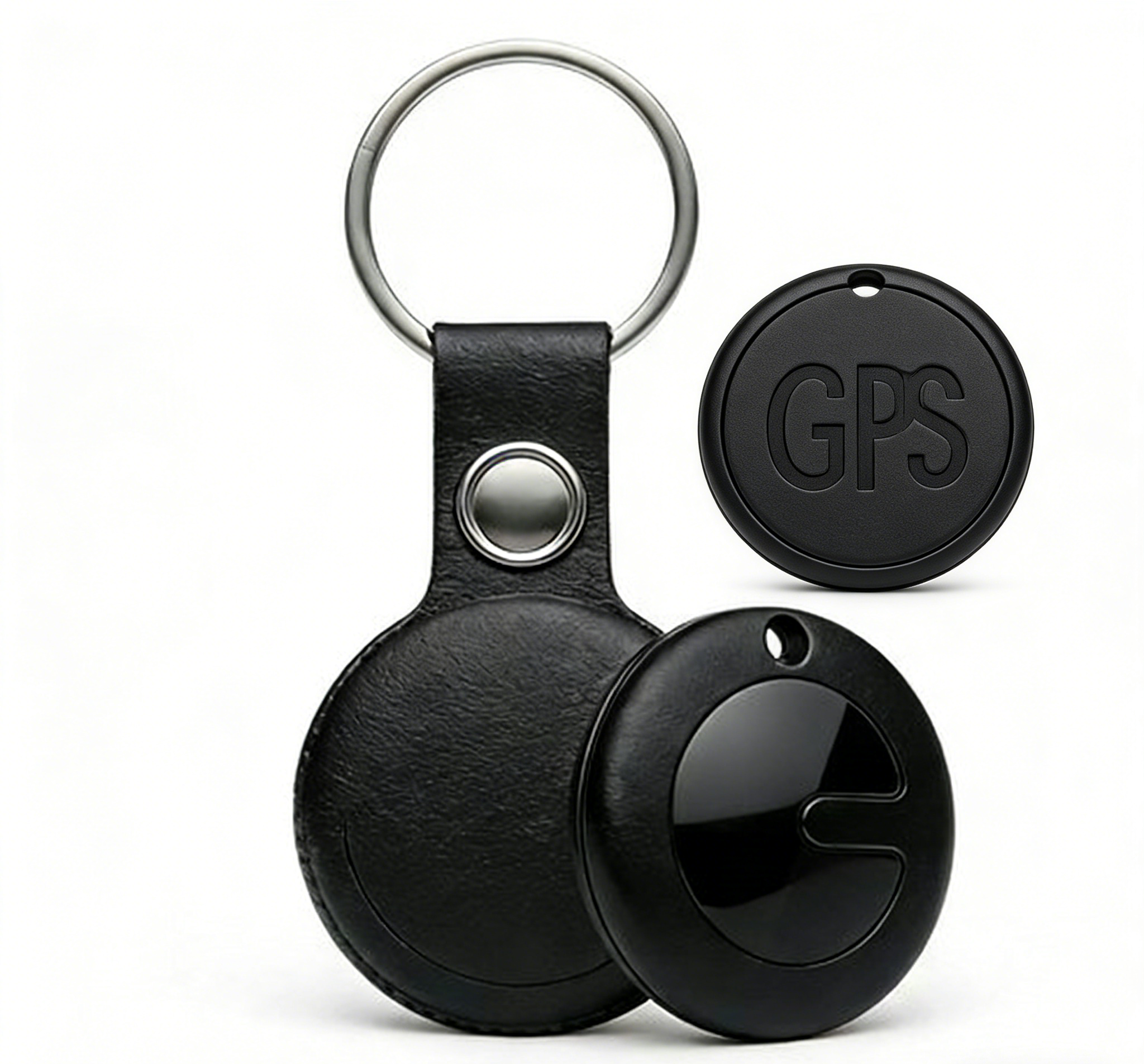
See how positioning and wireless communication come together in a compact tracking product.
A working board can lose range once the housing, battery and cables are in place. RF review begins with the mechanical layout and continues on assembled prototypes.
Review antenna keep-out zones, ground clearance and nearby metal during enclosure design.
Select PCB, chip or external antennas to suit the size, installation and operating band.
Tune with the enclosure fitted and verify VSWR and radiated performance against the test plan.
Check isolation and coexistence when cellular, GNSS, Wi-Fi or Bluetooth share the product.
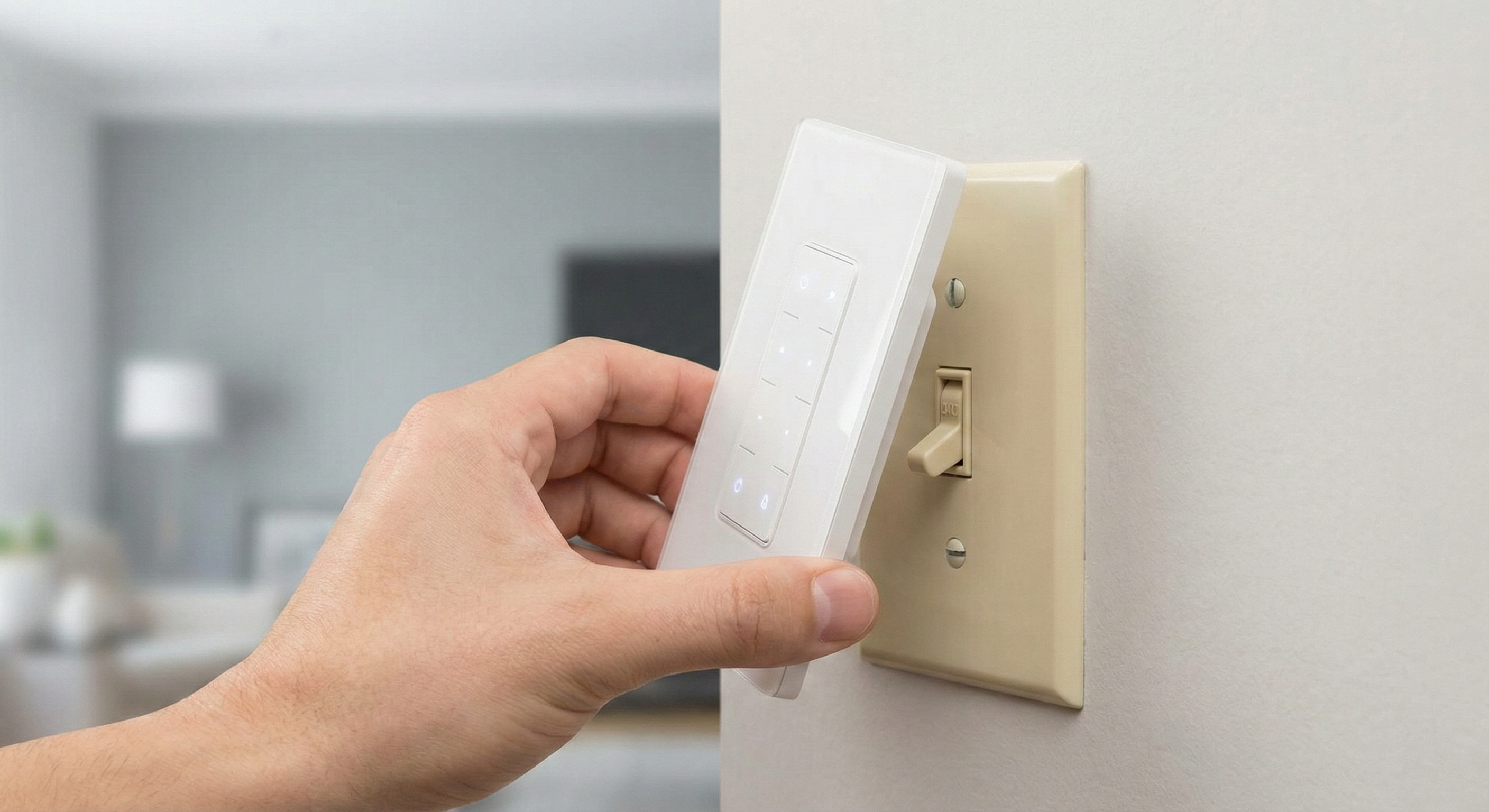
A retrofit switch project where Minewing optimized the antenna for Matter over Thread connectivity and checked the housing fit with prototypes.
We set the power budget in the first project week, then check it through hardware and firmware revisions. A battery-life claim only becomes useful when its reporting interval and operating conditions are defined.
Break sleep current down by regulator, sensor, MCU and radio.
Control power sequencing, wake-up sources, transmission intervals and duty cycles.
Select the battery and protection circuit for peak current, temperature and service life.
Measure current in each state and validate runtime under the intended use profile.
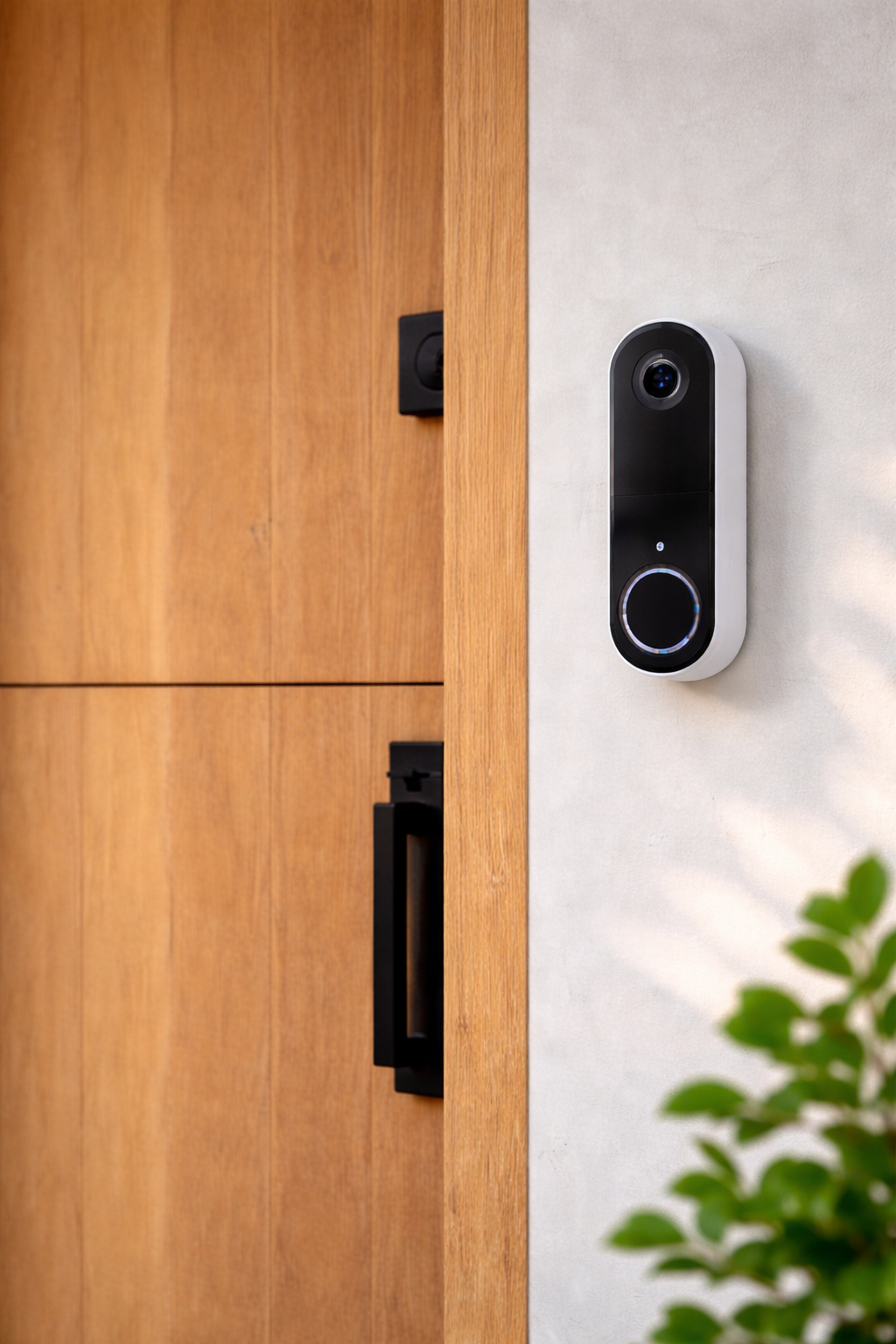
A connected doorbell project combining compact hardware with power-management optimization for standby and daily operation.
The split between device and cloud affects the BOM, data traffic and privacy design. We match the sensor chain and processor to the information the product actually needs.
Integrate environmental, motion, position and acoustic sensing for the application.
Design low-noise signal paths and agree calibration procedures.
Select the MCU or SoC around memory, compute demand, interfaces and power.
Plan voice capture, noise reduction and offline buffering where required.
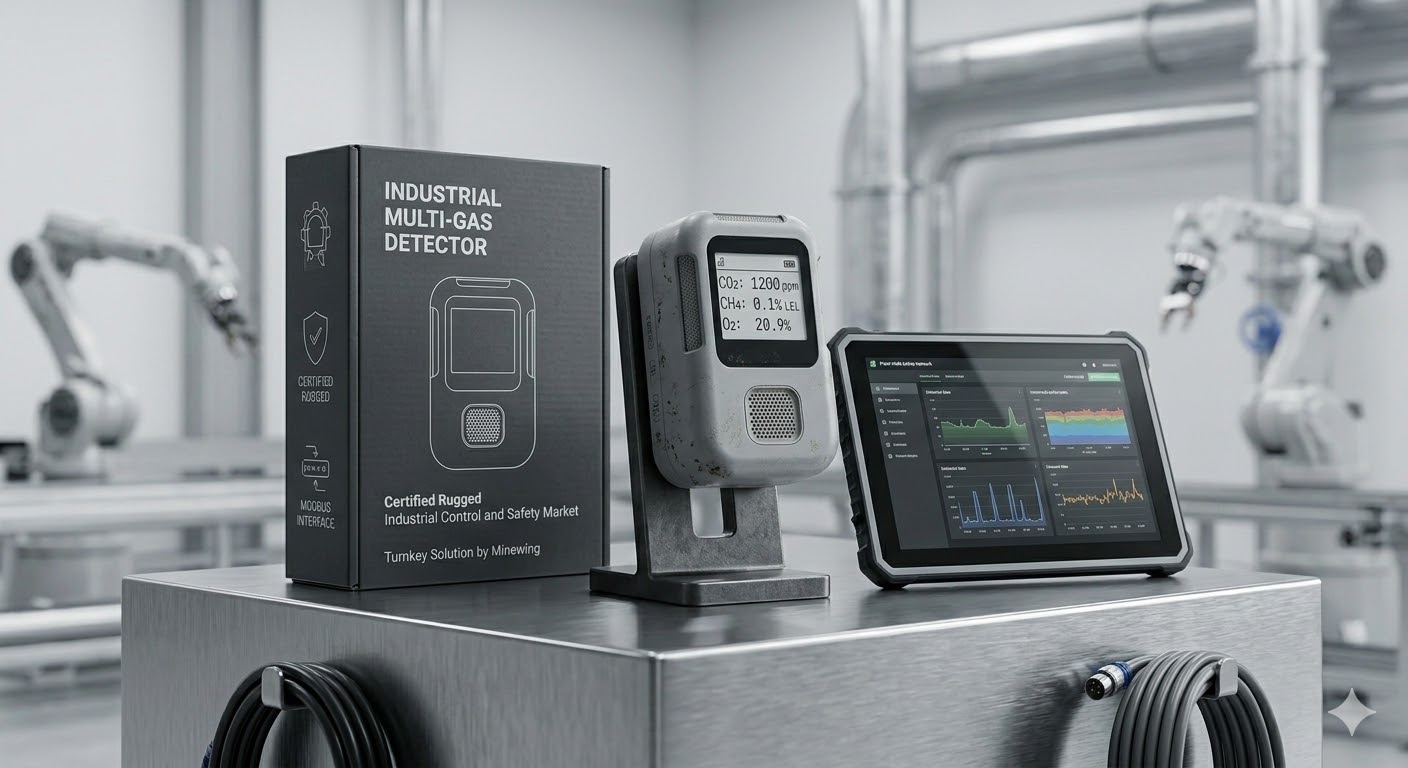
Minewing integrated sensors and firmware, then refined the PCB layout and enclosure airflow for environmental monitoring.
Minewing takes responsibility for the agreed device-side work and connects with your software team at defined APIs. Cloud operations, analytics and app ownership are agreed before integration starts.
Define device messaging through MQTT, HTTP(S) or the protocol required by your platform.
Plan device identity, first-time provisioning and secure onboarding.
Design firmware-over-the-air updates with a recovery or rollback path.
Integrate with mainstream cloud platforms and agree any companion-app work as a separate deliverable.
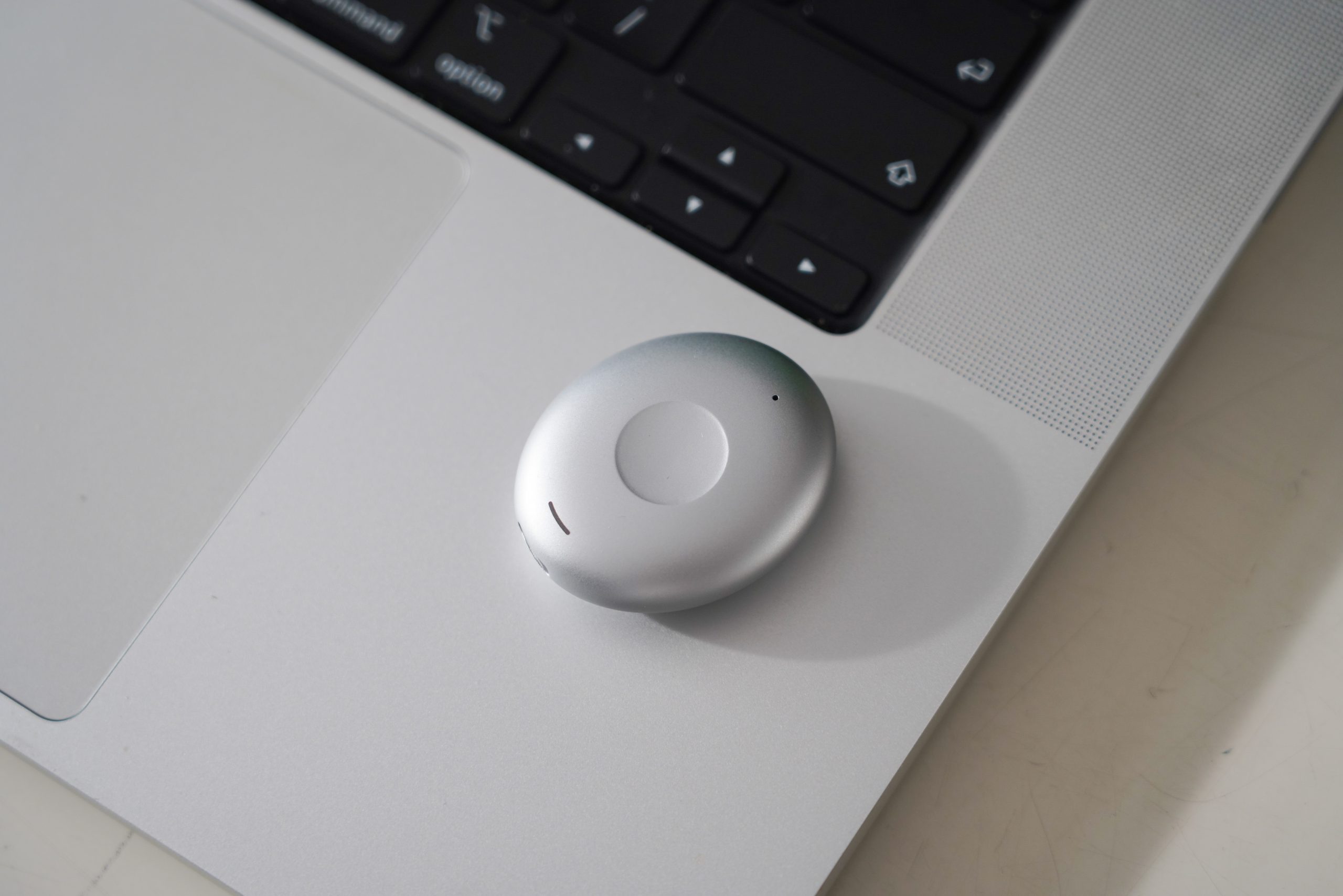
A practical example of a hardware team and a customer software team working to a shared integration plan.
Prototyping and production stay with the same engineering team and manufacturing base. Each stage closes an agreed set of questions before the next build begins.
Define the use case, core functions, processor, wireless approach and target-market certification path. Agree the first cost and power budgets.
1–2 weeks
Industrial design, mechanical design, hardware and firmware progress together, with interface reviews before layouts and tooling are released.
4–8 weeks
Use SLA, FDM or CNC as appropriate to check appearance, fit and structure, alongside functional boards and firmware.
Target: 10 days after design freeze
Work through EVT, DVT and PVT to validate engineering, design and production. Resolve DFM issues and confirm the component supply plan.
6–10 weeks
Run the agreed assembly and test process, then complete final inspection, packaging and worldwide shipment.
Scheduled to order volume
Allow approximately 16–24 weeks from concept to production readiness for a typical connected product. These are planning ranges, not fixed lead times; design revisions, certification and component availability can change the schedule.
Testing support and legal responsibility are different parts of market access. We define the applicable route, laboratory work and documentation responsibilities at the start of the project.
Approval or requirement
Market or scope
Responsibility
CE / RED
European Union
Minewing coordinates testing and technical documentation. The legal manufacturer signs the EU Declaration of Conformity; this is normally the customer for its own-brand product.
FCC
United States
Minewing coordinates testing and the applicable authorization filing. The applicant or responsible party is agreed with the customer. Part 15 is assessed for applicable radio functions; cellular functions may need other rules.
UKCA / CE
Great Britain
Minewing coordinates testing for the applicable route. CE marking remains recognized for qualifying radio equipment; Northern Ireland is assessed separately.
ISED
Canada
Minewing coordinates the required radio testing and supports certification documentation. Applicant responsibilities are agreed per product.
RoHS / REACH
Applicable markets
Minewing supplies relevant material and supplier declarations, with additional testing agreed where required.
PTCRB / GCF
Cellular device programmes
Minewing and the customer coordinate technical testing and documentation. The customer leads operator relationships; any separate operator approval is scoped for the target network.
The final test plan depends on the device, radio modules, software features and sales markets. Fees, test samples and filing ownership are confirmed in the project scope.
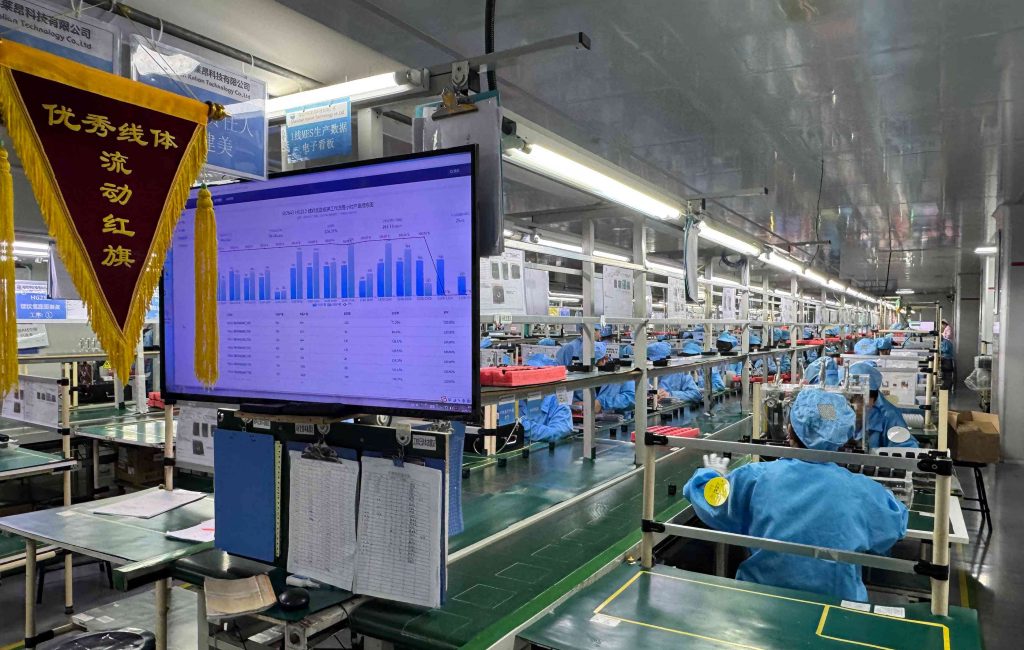
From incoming components to packed units, inspection and test checkpoints connect the engineering specification to the production record.
SMT placements per day
DIP insertions per day
Mold manufacturing facility
Injection molding machines · 90T–450T
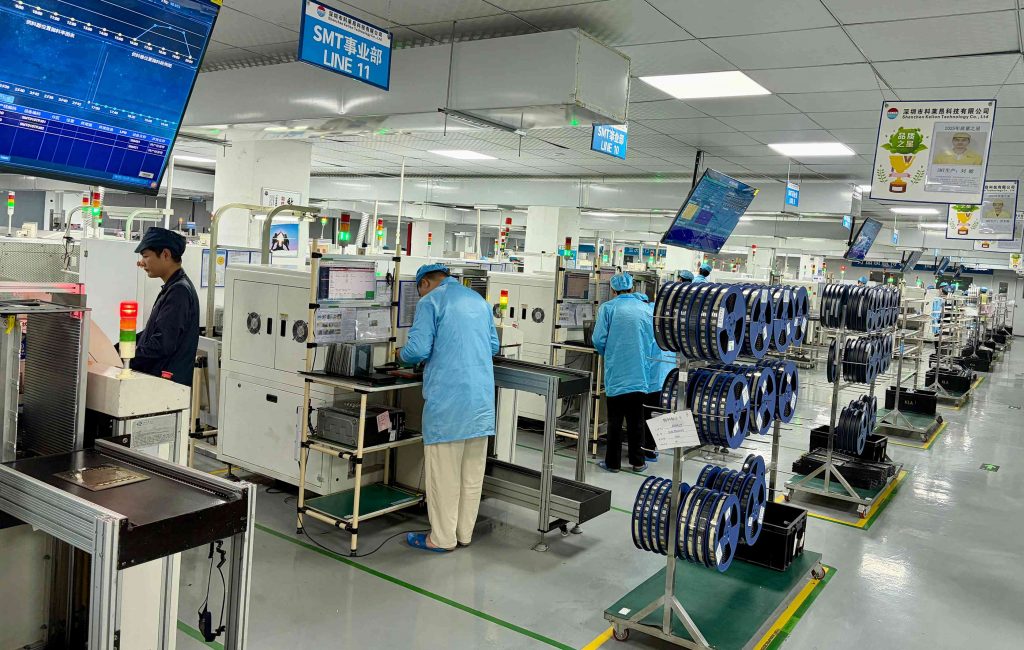
SMT production
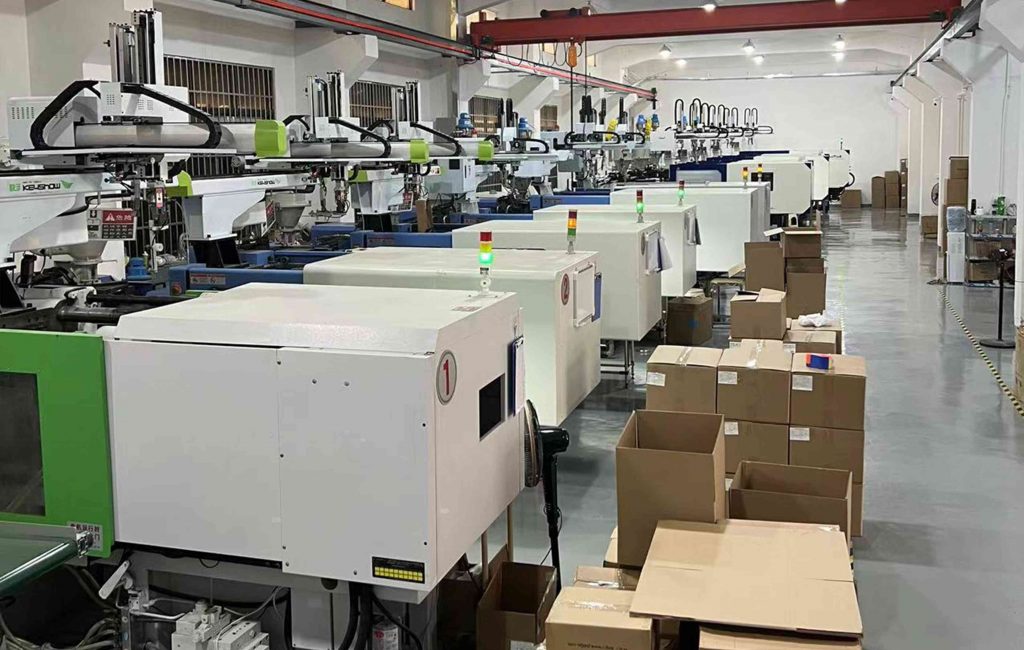
Enclosure molding
Final assembly
Incoming inspection
SMT
AOI
ICT
Assembly
Functional test
Burn-in
Outgoing inspection
MES and ERP records connect each device to its component lots and production history, allowing a reported issue to be investigated back to the relevant material reel. Test coverage and traceability fields are agreed for the product.
System certifications and social audits are separate from product approvals.
The design work changes with the product. These projects show how enclosure constraints, wireless integration and hardware–software coordination shape the route to production.
Home control
Functional illustration
20,000+ units entered mass production.
Fit a multi-protocol gateway and voice-based scene control into a slim enclosure.
Coordinate the board layout, enclosure and firmware so the control interface and wireless functions work together in the assembled product.
FOTA updates delivered remotely, without recalling devices for an on-site firmware change.
Integrate cellular and BLE connectivity on one board and update firmware on devices already deployed.
Bring positioning, radio performance and firmware integration into the same development and validation plan.
Concept to a working prototype in weeks. The Berry campaign later reached 249% of its original funding goal.
Bring far-field voice capture and on-device inference into a wearable form factor with limited board space and battery capacity.
Develop the PCB, electronics, internal structure and component selection, while integrating with the customer’s algorithms and software.
The same engineering and quality processes support a single prototype, a crowdfunding launch and an established product programme.
01
There is no fixed MOQ. Your prototype, first order and volume batches can use the same manufacturing route, with tooling and component commitments explained before you proceed.
02
Industrial, mechanical, hardware and firmware engineers work as one team. A housing change can be reviewed with the people responsible for the antenna, board and code.
03
Component sourcing follows the approved BOM and supplier controls, with batch records that support quality investigations and future orders.
04
Experience with Kickstarter and Indiegogo hardware helps us plan backward from launch and shipping milestones, including engineering validation and long-lead components.
05
The quality system used for enterprise programmes, including Bosch and State Grid projects, also applies to your first 500 units.
The practical questions about starting points, order size, timing, compliance and ownership.
Yes. You can bring a concept, a proof-of-concept board or a complete production package. For an early idea, we begin with requirements and feasibility so the processor, wireless approach and certification path are agreed before PCB layout starts.
We have no fixed MOQ and support single prototypes, trial batches and volume production. Engineering, tooling and component pack quantities still affect cost. We will explain where the cost per unit changes as your order grows.
A typical connected product takes approximately 16–24 weeks from concept to production readiness. A prototype build can target 10 days after design freeze, subject to the agreed scope and material availability. Certification, design iterations and long-lead components are the most common schedule constraints.
Depending on the application, we work with BLE, Wi-Fi, Zigbee, Thread, LoRa and other sub-GHz links, plus LTE Cat-1, LTE Cat-M and NB-IoT. Matter and eSIM integration can be included where required. For a multi-radio gateway, coexistence and the certification path are reviewed as part of the design.
Minewing coordinates laboratory testing and prepares the agreed technical documentation. For CE, the legal manufacturer signs the EU Declaration of Conformity. FCC authorization follows the applicable certification or declaration route, with the applicant or responsible party agreed in advance. Cellular and operator approvals are scoped jointly.
Customer-funded project designs and tooling belong to the customer under the project agreement. We document ownership, deliverables and any factory-transfer arrangements before work starts, including the treatment of pre-existing IP and third-party technology. NDA and NNN terms can be agreed before detailed disclosure.
A sketch, specification, BOM or complete design package is enough to start the conversation. Tell us what the device needs to do, where it will be sold and your target quantities. Our engineers will review the next steps and what is needed for a quotation.
Our engineering team aims to respond with an actionable next step within 24 hours.
Engineering and manufacturing · Shenzhen, China
Share the essentials. We can agree an NDA before you send detailed design files.
Share the essentials. We can agree an NDA before you send detailed design files.