As winter approaches, industrial facilities often face increased energy consumption due to heating requirements, longer operating hours, and changing production conditions. For manufacturers, this seasonal demand can place additional pressure on energy budgets, equipment performance, and operational efficiency. Without accurate consumption data, identifying waste and controlling costs becomes more difficult.
Energy monitoring provides a practical way to address these challenges. By connecting meters, sensors, industrial equipment, and cloud platforms, businesses can gain greater visibility into how electricity and other energy resources are used. With industrial IoT solutions, manufacturers can monitor consumption patterns, identify unusual demand, and make informed decisions before energy costs escalate.
For companies preparing their facilities for winter, implementing a reliable monitoring system requires more than installing connected devices. Hardware design, communication technologies, software integration, and manufacturing quality all influence long-term performance.
Why Winter Creates Greater Challenges for Industrial Energy Management
Cold weather changes how industrial facilities consume energy. Heating systems, ventilation equipment, and temperature-control infrastructure may operate more frequently, while production processes still require stable power supplies. Facilities with multiple production lines or geographically distributed operations can find it particularly difficult to maintain a clear picture of total consumption.
Peak demand is another important concern. When heating equipment and production machinery operate simultaneously, electricity usage may rise sharply. This can increase utility expenses and place additional stress on electrical infrastructure.
Traditional monitoring methods often depend on periodic meter readings or manually collected reports. Although these approaches provide basic consumption information, they may not reveal sudden changes quickly enough. Connected monitoring devices help businesses access more frequent measurements and respond to developing problems with greater confidence.
How Connected Devices Improve Industrial Energy Monitoring
An effective monitoring system begins with reliable data collection. Smart meters, temperature sensors, current sensors, and equipment-level monitoring modules can measure different aspects of energy consumption. These devices gather information from production equipment, electrical distribution systems, and environmental control infrastructure.
Wireless integration allows monitoring devices to communicate with gateways and other connected equipment without requiring extensive physical cabling in every application. Depending on installation conditions, communication technologies such as Wi-Fi, Bluetooth, Zigbee, or cellular networks can support data transmission.
However, connectivity must match the operating environment. Industrial facilities may contain metal structures, electrical interference, long transmission distances, and areas with limited network coverage. Selecting suitable communication protocols and designing reliable hardware are therefore essential considerations.
Through industrial IoT solutions, collected information can be transferred to cloud platforms or centralized management systems. Facility managers can review energy consumption across different machines, compare operating periods, and identify equipment that uses more electricity than expected.
Turning Energy Data into Practical Operational Decisions
Collecting energy data is only the first step. Its real value comes from translating measurements into useful operational insights.
For example, monitoring systems can help identify machinery that continues consuming electricity during idle periods. They can also reveal abnormal power fluctuations that may indicate equipment deterioration, inefficient operating conditions, or maintenance requirements.
During winter, temperature data can be evaluated alongside electricity consumption to understand how heating requirements affect overall demand. Facility managers may use these insights to adjust operating schedules, improve temperature-control settings, or distribute workloads more efficiently.
Alerts can provide additional support by notifying operators when consumption exceeds predefined thresholds. Instead of waiting for monthly utility reports, businesses can investigate unusual patterns while corrective action is still possible.
When connected devices, communication infrastructure, and data platforms work together, manufacturers gain a more consistent basis for energy management. These capabilities also support longer-term planning by providing historical information for comparing seasonal consumption and evaluating efficiency improvements.
Hardware Reliability Is Essential for Industrial IoT Deployment
Industrial monitoring devices must operate consistently in environments that can be demanding. Temperature variations, vibration, electrical noise, and continuous operation may affect electronic components and communication performance.
Hardware development should therefore consider enclosure design, component selection, power management, circuit protection, and environmental requirements from the beginning. Wireless modules and sensors must also be integrated carefully to maintain stable communication and dependable measurements.
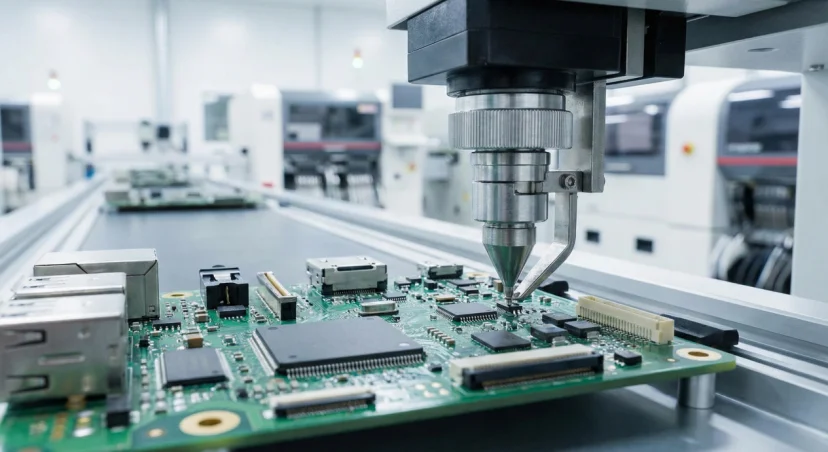
Manufacturing consistency is equally important when a monitoring solution expands from a small pilot installation to hundreds or thousands of devices. Inconsistent assembly or inadequate testing can create reliability problems that are expensive to resolve after deployment.
This is where turnkey manufacturing solutions become valuable for businesses developing connected energy-monitoring products. Coordinating design, engineering, prototyping, and production through an integrated manufacturing process can help reduce development complexity and improve consistency between product batches.
Preparing Connected Energy Products for Scalable Production
Moving from a working prototype to commercial production involves several technical and operational decisions. Engineers need to verify that circuit designs, communication modules, sensors, and mechanical structures work together as intended.
Prototyping provides an opportunity to evaluate device performance under realistic operating conditions. Functional testing can examine measurement accuracy, wireless connectivity, power consumption, and system stability. Design adjustments made during this stage can help prevent avoidable manufacturing issues later.
As production requirements increase, supply chain coordination and quality control become more important. Component availability, assembly processes, inspection procedures, and production scheduling all influence delivery consistency.
At Minewing, we provide end-to-end design, engineering, and manufacturing services for electronic products, supporting projects from prototyping to mass production. Our experience with IoT ecosystems includes wireless integration, multi-protocol communication, and connected hardware designed to bridge physical devices with cloud platforms.
By combining these capabilities with turnkey manufacturing solutions, we help businesses coordinate product development and manufacturing requirements within a more integrated process. This approach supports companies seeking to develop reliable connected devices while preparing for future production volumes.
Building Smarter Energy Management for the Winter Season
Rising winter demand highlights the importance of understanding how industrial facilities use energy. Connected monitoring devices provide manufacturers with more detailed consumption information, helping them recognize inefficiencies, manage peak demand, and make better-informed operational decisions.
However, successful implementation depends on the entire product ecosystem. Sensors must collect dependable measurements, communication networks must transmit information reliably, and hardware must withstand the conditions of industrial operation. Production processes must also maintain consistent quality as deployment scales.
For businesses developing connected monitoring equipment, industrial IoT solutions offer opportunities to improve energy visibility and support more responsive facility management. With appropriate engineering, manufacturing coordination, and system integration, these technologies can contribute to more efficient industrial operations throughout winter and beyond.