Launching a connected pet product involves more than designing a useful device. A smart feeder, GPS tracker, activity collar, or automated litter system must combine dependable hardware, wireless communication, embedded software, cloud services, and a user-friendly application. When these elements are developed separately, integration problems can delay testing and market entry. A coordinated process helps brands validate products earlier and prepare for repeatable production.
For companies entering a competitive market, speed should not come at the expense of reliability or the experience of pets and owners. By connecting product planning, engineering, prototyping, and manufacturing, we help teams turn concepts into commercially viable devices with fewer handoff gaps.
Why Connected Pet Products Need a Unified Development Process
Pet technology products operate across physical and digital environments. A tracker collects location or activity data, transmits it, and presents useful information in an app. A smart feeder coordinates motors, sensors, connectivity, scheduling, and remote control. Each component affects the complete product.
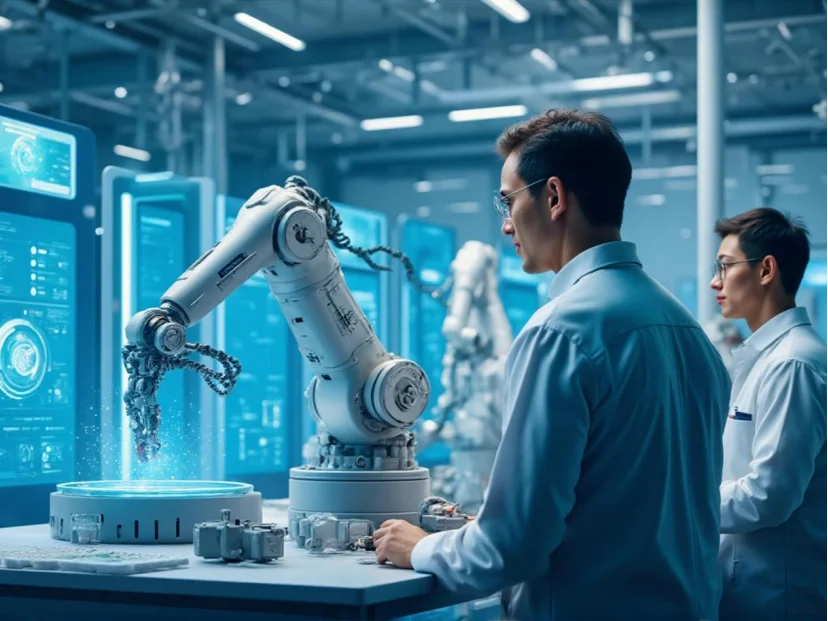
When hardware, firmware, connectivity, and cloud functions are handled by disconnected suppliers, teams may face incompatible interfaces, duplicated work, and late redesigns. End-to-end IoT solutions bring these workstreams into a shared plan. Teams can define requirements together, identify dependencies early, and test interactions before committing to large production volumes.
Shorten Development with Early Engineering Alignment
A faster launch begins with clear requirements. Brands should define target users, core functions, operating environments, battery life, connectivity needs, and price range before selecting components. Pet devices may also require water resistance, durability, safe materials, compact dimensions, and comfortable wear.
We support this process through coordinated design and engineering, connecting product goals with practical hardware choices. Bluetooth, Wi-Fi, cellular, and other low-power technologies should be selected according to use. A home feeder, for example, has different communication needs from an outdoor GPS tracker.
Early alignment also helps teams make informed trade-offs. A smaller enclosure may limit battery capacity or antenna placement, while frequent data updates can increase power consumption. Addressing these relationships during design reduces avoidable changes and creates a more realistic schedule.
Build and Validate Prototypes Before Scaling
Prototyping turns assumptions into measurable results. An early unit can reveal whether sensors capture useful data, wireless signals remain stable, and mechanical components work as intended. It also lets teams assess setup, charging, cleaning, and everyday handling from an owner’s perspective.
A validation plan should cover battery performance, connectivity recovery, data accuracy, firmware behavior, enclosure durability, and app-device interaction. For products used around animals, teams should assess edges, moving parts, heat, and accessible components against the product’s intended use.
Our development and prototyping support helps brands identify issues while changes are manageable. Iterative testing can improve the device and its connected services before tooling and production decisions become costly to revise.
Connect Hardware, Software, and Cloud Services
A connected device creates value when its data leads to a useful experience. That requires reliable communication among sensors, embedded systems, networks, cloud platforms, and applications. Smart features should address clear user needs rather than being added simply because connectivity is available.
An activity monitor might translate movement data into understandable trends, while a feeder can notify owners when food is running low or a dispensing cycle is complete. These experiences depend on consistent data handling, clear alerts, and sensible behavior during network interruptions.
End-to-end IoT solutions align wireless integration, device logic, and cloud communication from the outset. Security also needs attention throughout development, including device authentication, protected data transmission, access control, and software updates. This reduces the risk of treating cybersecurity or connectivity as last-minute additions.
Prepare for Reliable, Repeatable Manufacturing
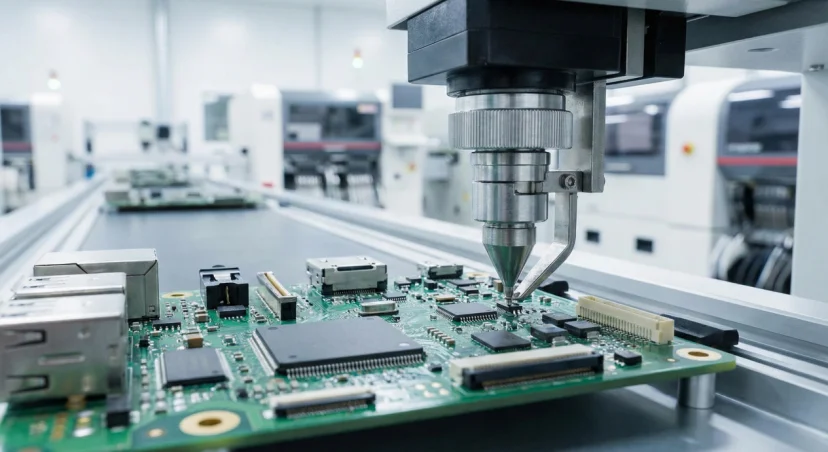
A successful prototype is not automatically ready for market. Before mass production, brands need to confirm component availability, assembly methods, test procedures, quality criteria, packaging, and capacity. Design choices that work for a small batch may create cost or consistency problems at higher volumes.
Turnkey manufacturing solutions simplify this transition. Turnkey manufacturing solutions coordinate design, engineering, sourcing, and production, giving teams clearer responsibility for resolving issues between stages. They can review design-for-manufacturing earlier, simplify assembly, and establish quality checks.
At Minewing, we connect product development with manufacturing support, from initial prototypes toward mass production. We help clients build a process supporting reliability and launch schedules. Turnkey manufacturing solutions can also provide a more coordinated route for managing sourcing, assembly, and quality expectations as order quantities grow.
Choose a Partner for the Entire Product Journey
The right development partner should understand how electronic hardware, wireless communication, and production decisions influence one another. Pet tech brands should ask how requirements are documented, prototypes tested, engineering changes managed, and quality monitored.
They should also clarify ownership of firmware, app and cloud interfaces, data security, component sourcing, and after-sales support. Clear communication at each milestone prevents assumptions from becoming delays. A coordinated partner can manage these details while keeping the customer experience in view.
Move from Pet Tech Concept to Market with Confidence
Launching connected pet products requires useful features, dependable engineering, and manufacturing readiness. A unified process helps brands resolve integration challenges, validate performance, and prepare production around quality expectations.
By combining product design, engineering, prototyping, and manufacturing coordination, we help pet tech businesses move from concept toward scalable products. The right turnkey manufacturing solutions and end-to-end IoT solutions make development more manageable, reduce avoidable handoffs, and give brands a stronger foundation for a timely, reliable launch.