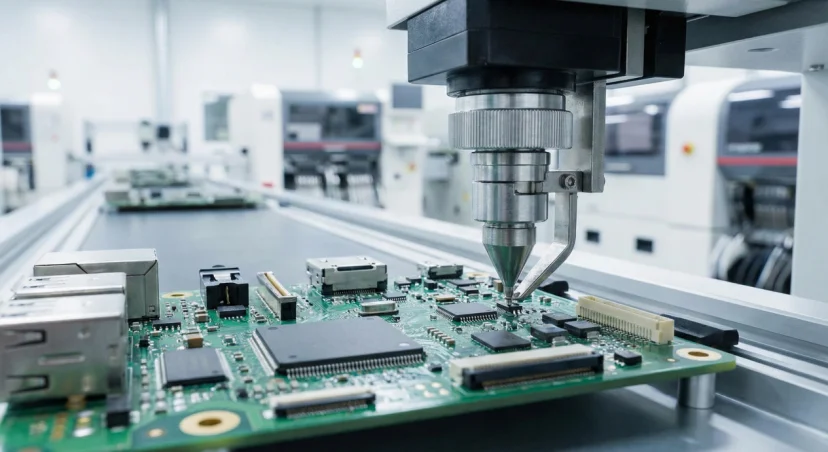
Electronic products must satisfy more than engineering and performance requirements before they can enter many international markets. Safety, electromagnetic compatibility, hazardous substances, radio-frequency emissions, documentation, and environmental obligations can all affect product compliance. As your electronic manufacturing service partner, we help companies understand these requirements early to reduce redesigns, testing delays, and unexpected market-entry costs.

Why Regulations Matter in Electronics Manufacturing Services
Regulations exist to control risks associated with electrical products and to establish requirements for products entering specific markets. However, there is no single global regulation covering every electronic product. Requirements depend on the product type, intended market, operating characteristics, and sometimes its application.
For example, the European Union applies several legal frameworks to electrical and electronic equipment. These include the Low Voltage Directive (LVD) for equipment within specified voltage limits and the Electromagnetic Compatibility (EMC) Directive for electromagnetic compatibility. Radio-enabled products may additionally fall under the Radio Equipment Directive (RED).
This means compliance should be considered during product development rather than treated as a final inspection step. When we support a project through prototyping and production, regulatory requirements can influence component selection, PCB design, enclosure construction, power architecture, labeling, and testing plans.
Key Compliance Areas for an Electronic Manufacturing Service
One major area is electrical and product safety. Depending on the market and product category, manufacturers may need to demonstrate that a device meets applicable safety requirements. For the EU, the LVD establishes requirements for electrical equipment within its defined voltage ranges. Manufacturers are responsible for determining which legislation applies and completing the relevant conformity process.
Electromagnetic compatibility is another important consideration. Electronic equipment should operate without creating unacceptable electromagnetic interference and should maintain appropriate immunity to disturbances. The EU EMC Directive 2014/30/EU provides the regulatory framework for applicable equipment placed on the European market.
Products containing wireless functionality require additional attention. The EU Radio Equipment Directive establishes requirements covering safety and health, electromagnetic compatibility, and efficient use of the radio spectrum. In the United States, applicable radio-frequency devices may require FCC equipment authorization through certification or Supplier’s Declaration of Conformity, depending on the equipment.
Environmental Regulations and Material Control
Environmental compliance is also closely connected with electronics manufacturing. The EU Restriction of Hazardous Substances (RoHS) framework restricts certain hazardous substances in electrical and electronic equipment, subject to specific exemptions. Those exemptions can change over time, making material compliance an ongoing consideration rather than a one-time check.
REACH can also affect electronic products because the regulation covers chemical substances and can apply to articles such as electrical appliances. Companies may need to evaluate whether relevant restricted substances or substances of very high concern are present in products and supply-chain materials.
Waste management introduces another consideration. The EU Waste Electrical and Electronic Equipment (WEEE) framework establishes requirements related to separate collection, treatment, recovery, recycling, and producer responsibility. Therefore, compliance planning may extend beyond manufacturing to packaging, labeling, market registration, and end-of-life responsibilities.
Documentation Is Part of Product Compliance
Passing a laboratory test is not necessarily the end of the compliance process. For products subject to CE marking, manufacturers must identify applicable legislation and standards, conduct the appropriate conformity assessment, prepare technical documentation, issue an EU Declaration of Conformity, and affix the CE marking when required.
For B2B buyers, this documentation is particularly important because engineering teams, importers, and market-access personnel may need evidence supporting regulatory claims. A well-organized compliance file can also make future production changes easier to evaluate.
Supply-chain traceability also matters. Component substitutions, PCB revisions, firmware updates, or material changes may impact compliance. Therefore, we and our customers should establish a clear engineering change process before mass production starts.
How We Approach Compliance at Minewing
At Minewing, we understand that regulatory requirements are part of the broader manufacturing process. As a Chinese electronics manufacturer, we support startups and global brands from initial prototyping through mass production, allowing compliance considerations to be incorporated as the product develops.
Our one-stop production approach is designed around the specific requirements of each project. Rather than treating manufacturing as simply assembling a finished design, we work with our partners to understand technical specifications, production requirements, component considerations, and applicable market expectations.
We also recognize that long-term production stability matters for B2B customers. Transparent communication and stable supply chains help our partners respond more effectively when components, regulations, or product requirements change. A problem-solving mindset allows us to address manufacturing issues while keeping the broader project objectives in view.
Building Compliance Into Long-Term Production
We recommend starting regulatory planning before tooling and mass production whenever possible. Companies can first define their target markets, identify applicable regulations, set testing requirements, and review critical components and materials. This approach lowers the risk of compliance issues emerging after substantial production investment.
For companies outsourcing manufacturing, choosing the right partner can make this process more manageable. We believe an effective electronic manufacturing service relationship should combine engineering support, production flexibility, quality control, documentation, and responsive communication.
Turning Regulatory Requirements Into Manufacturing Readiness
Electronics regulations can appear complex because requirements differ across markets and product categories. Yet the fundamental strategy is straightforward: identify applicable rules early, design with compliance in mind, control materials and components, complete appropriate testing, and maintain accurate documentation.
At Minewing, we aim to be more than a production supplier. We work to become a long-term manufacturing partner for startups and global brands by providing flexible, reliable, and cost-effective electronics manufacturing services tailored to each project’s requirements. Through transparent communication and a problem-solving approach, we help our partners move from prototype development toward stable, compliant mass production.