
Peak season can create significant opportunities for electronics businesses, but it also places considerable pressure on manufacturing capacity, component availability, and delivery schedules. When customer demand increases rapidly, even a well-designed product can face production delays if suppliers are not prepared. For brands working with external manufacturers, accurate forecasting and early communication are essential to maintaining supply chain stability.
Strong B2B manufacturing partnerships help businesses coordinate demand expectations with production capabilities. By sharing forecasts, reviewing inventory requirements, and planning capacity together, companies can reduce uncertainty and respond more effectively to seasonal changes. For electronics brands, this coordination is particularly important because complex products often depend on multiple components and specialized assembly processes.
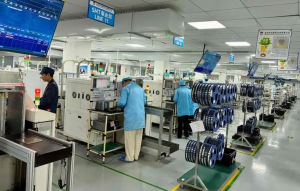
Why Peak Season Forecasting Matters in Electronics Manufacturing
Electronics production involves several interconnected activities, including component sourcing, PCB assembly, product integration, testing, and final packaging. Each stage requires time and resources. When demand increases unexpectedly, manufacturers may struggle to secure essential components or allocate sufficient production capacity.
Forecasting gives manufacturing teams an opportunity to prepare before orders reach their highest levels. It helps them estimate material requirements, arrange labor, schedule production lines, and coordinate delivery windows.
For businesses managing seasonal campaigns or large retail orders, forecasts also provide greater visibility into potential supply chain risks. Rather than reacting to shortages after they occur, buyers and manufacturers can identify possible constraints and develop contingency plans.
Share Demand Data Early and Regularly
The first step toward effective seasonal planning is sharing demand information as early as possible. Buyers should provide historical sales figures, current order trends, promotional schedules, and expected market changes. These details help manufacturers understand whether projected demand represents normal growth or a temporary seasonal increase.
However, a single forecast rarely provides enough information. Businesses should distinguish between confirmed orders, expected demand, and speculative opportunities. This allows production teams to make reasonable commitments without treating every sales projection as a guaranteed purchase.
Within B2B manufacturing partnerships, regular forecast updates create a shared understanding of changing requirements. We encourage structured communication between customers and manufacturing teams so that adjustments can be evaluated before they affect production schedules.
Match Forecasts with Manufacturing Capacity
A demand forecast is useful only when it can be translated into a realistic production plan. Manufacturers need to evaluate available equipment, workforce requirements, assembly processes, testing capacity, and existing customer commitments.
For electronic products, production capacity may also depend on specialized processes such as precision PCB assembly, cable integration, enclosure installation, and functional testing. Increasing output in one department does not necessarily increase the capacity of the entire production system.
We approach manufacturing planning as an integrated process, connecting engineering requirements with production capabilities. When customers anticipate seasonal growth, early discussions about production volumes and delivery deadlines help establish achievable schedules.
Coordinate Component Procurement and Inventory
Component availability is one of the most important factors affecting electronics production during peak season. Semiconductors, sensors, connectors, batteries, and communication modules may have different lead times and sourcing conditions. A shortage of one critical component can delay an otherwise complete product.
Buyers and manufacturers should identify long-lead-time materials and determine which components require advance procurement. They should also review approved alternatives, minimum order quantities, supplier reliability, and potential price changes.
Inventory planning should balance availability against excess stock. Holding too much inventory increases storage costs and creates the risk of obsolete components, particularly when product specifications change.
Through effective B2B manufacturing partnerships, both sides can establish clearer material requirements and purchasing schedules. Regular inventory reviews also help teams respond when actual demand differs from the original forecast.
Build Flexibility into Production Schedules
Even well-prepared forecasts cannot eliminate uncertainty. Marketing campaigns may perform better than expected, customer orders may change, or component deliveries may arrive later than planned. Manufacturers therefore need production schedules that can accommodate reasonable adjustments.
One approach is to divide seasonal demand into planned production batches. Instead of committing all capacity to a single large order, businesses can arrange staged manufacturing based on confirmed demand and updated sales information.
Another consideration is maintaining flexibility in production resources. Manufacturers can review alternative assembly sequences, workforce allocation, and available equipment to determine where additional capacity may be introduced.
We work with clients across product development and manufacturing stages, helping connect production planning with practical engineering and assembly requirements. This coordination supports more informed decisions when order quantities or delivery priorities change.
Establish Clear Communication and Performance Metrics
Forecast alignment requires more than exchanging spreadsheets. Buyers and manufacturers should agree on how frequently forecasts are updated, who approves changes, and how production risks are reported.
Useful performance indicators include forecast accuracy, supplier on-time delivery, material availability, production yield, inventory turnover, and order fulfillment rates. Reviewing these indicators helps both parties understand whether planning assumptions are realistic.
Communication should also cover escalation procedures. If a critical component becomes unavailable or production capacity changes, the responsible teams need to know how quickly the issue must be reported and who can authorize adjustments.
Strong B2B manufacturing partnerships depend on transparent information and clearly defined responsibilities. Regular planning meetings and shared production updates make it easier to resolve problems before they affect customer commitments.
Prepare for Growth Beyond One Peak Season
Seasonal planning should not end when the busiest period is over. Post-season reviews provide valuable information for improving future forecasts. Businesses can compare projected demand with actual orders, examine production bottlenecks, and identify inventory that remained unused.
These findings can guide purchasing strategies, production investments, and product design improvements. For example, simplifying an assembly process or qualifying alternative components may improve manufacturing flexibility during the next demand cycle.
At Minewing, we provide an integrated platform covering schematic design, engineering, prototyping, and high-precision mass production. We support customers as they scale prototypes, refine manufacturing processes, and optimize supply chain arrangements. This lifecycle perspective helps businesses prepare for changing production requirements rather than focusing only on immediate order fulfillment.
Build a More Resilient Peak Season Strategy
Successful peak season planning depends on shared forecasts, realistic capacity assessments, coordinated procurement, and consistent communication. Manufacturers and buyers who prepare together can reduce uncertainty, manage production risks, and maintain more dependable delivery schedules.
By developing long-term B2B manufacturing partnerships, electronics businesses can improve their ability to respond to seasonal demand while building a stronger foundation for future growth. We work with clients to connect engineering decisions with manufacturing execution, supporting reliable production from the first schematic to large-scale delivery.