A successful ODM project depends on more than engineering expertise and manufacturing capacity. For international buyers, visibility into design progress, sourcing, prototyping, production, and quality decisions is equally important. When working with a manufacturing agent ODM China partner, unclear communication can create delays and unexpected costs. We believe transparency should therefore be built into every stage of an ODM project, giving customers the information they need to make timely decisions.
Why Transparency Matters in China ODM Projects
ODM projects involve many moving parts. A product may progress from an initial concept to hardware design, prototype development, testing, trial production, and mass manufacturing. Each stage can introduce technical questions or changes that affect the next one.
For buyers managing teams across different countries, limited visibility can make these issues harder to identify. A delayed component, engineering revision, or manufacturing problem may affect the schedule if it is discovered too late.
We approach transparency as an operational requirement rather than simply a communication preference. Our project-management approach connects engineering, sourcing, production, and customer communication so that project information can move between the teams involved.
Establishing Clear Project Milestones
We begin by translating the customer’s product idea into defined development stages. For ODM electronics, these stages can include concept evaluation, hardware design, prototype development, testing, trial production, and mass production.
Clear milestones provide both sides with a shared understanding of progress. Instead of describing a project as simply “under development,” we can identify which stage has been completed, which activities are underway, and what needs to happen before the next milestone.
Our current service structure follows a progression from idea and design to prototype, trial production, and mass production. At Minewing, we regard high-efficiency project management and rapid prototyping as key strengths of our manufacturing approach.
Reporting Design and Engineering Progress
For ODM customers, transparency starts well before the factory floor. An idea must become a manufacturable product through engineering decisions involving electronics, software, structural design, appearance, and production processes.
We involve engineering considerations early because design decisions can influence cost, production efficiency, and product viability. Our engineering team includes specialists covering electronics hardware, software, structural processes, exterior design, and packaging. We also provide design-for-manufacturing guidance across electronic and mechanical areas.
This approach helps us report not only what has been designed, but also why particular manufacturing or engineering decisions may be recommended.
Tracking Components and Production Readiness
Component sourcing is another area where visibility matters. Electronics projects depend on numerous parts, and purchasing decisions can affect both production schedules and product consistency.
We integrate supply-chain management into our manufacturing workflow. For PCB manufacturing, at Minewing, we source BOM components through original manufacturers’ first agents and supports customers with manufacturing-process advice, product optimization, rapid prototyping, testing improvement, and mass production.
For B2B customers, this type of visibility can make discussions about component availability, alternatives, and production readiness more concrete.
Making Prototype and Trial Production Visible
A prototype should not be treated as the final manufacturing product. It is an important checkpoint for validating the design and identifying issues before larger production commitments.
We use prototyping to validate ideas and designs, while trial production provides another opportunity to confirm the sample and manufacturing process. This staged approach gives customers opportunities to review results before moving into larger-scale production.
For us, reporting during these stages means communicating test results, identified issues, required changes, and the next manufacturing steps. This creates a more structured decision-making process for both engineering and procurement teams.
Connecting Quality With Project Reporting
Transparency should also extend to quality management. Reporting that a production batch is complete is not enough if customers do not understand how quality was controlled.
Our manufacturing operations include incoming material inspection, production-process control, and quality inspection. At Minewing, we implement quality assurance measures including material inspection, functional testing, and aging testing for mass-produced products.
We use these controls to connect manufacturing progress with measurable quality activities. For B2B manufacturing partnerships, this distinction matters because schedule performance and product quality must advance together.
Supporting Long-Term Business Manufacturing Partnerships
A transparent ODM relationship should continue after the initial development stage. As products evolve, customers may request design modifications, production-volume changes, packaging updates, or process improvements.
We therefore view project tracking as part of a longer-term relationship rather than a one-time reporting exercise. Our manufacturing model covers design, prototypes, trial production, and mass production, allowing customers to maintain continuity as their products move through different commercial stages.
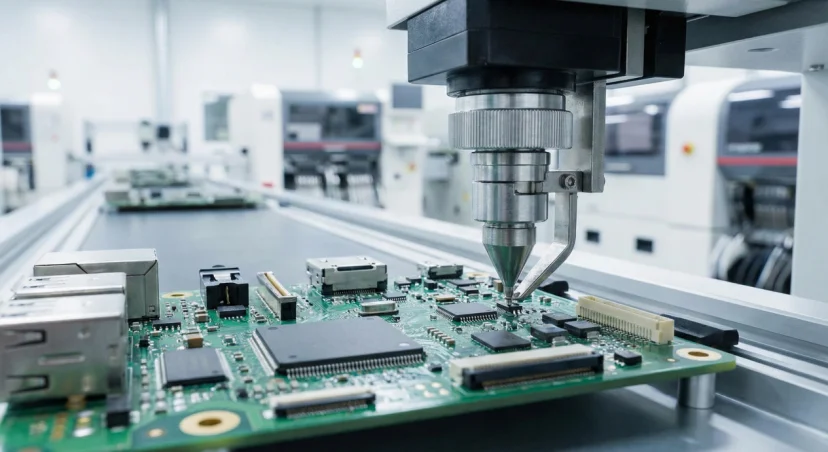
Our factory capabilities also span SMT, PCBA processing, injection molding, assembly, testing, and packaging, providing a broader manufacturing base for projects requiring multiple production processes.
Building Trust Through Visibility
For companies evaluating a manufacturing agent ODM China partner, transparency should be assessed alongside technical capability, quality, and pricing. A reliable partner should make milestones understandable, communicate changes promptly, and provide meaningful visibility into design, sourcing, production, and quality.
We believe this approach is essential for sustainable B2B manufacturing partnerships. At Minewing, we combine ODM electronics development with project management, prototyping, trial production, and mass manufacturing. By keeping customers connected to the important stages of their projects, we aim to turn product ideas into production-ready solutions through a more predictable and collaborative process.