Reliable backup power has become an important consideration for businesses operating facilities, data infrastructure, industrial equipment, and other critical loads. Smart energy storage systems supply stored electricity instantly, whereas diesel generators produce power by running an engine-driven alternator. We see it as more than a simple technology comparison. Businesses need to consider response time, operating conditions, runtime, maintenance, emissions, integration, and long-term operating objectives.
How Smart Energy Storage Systems Work
A smart energy storage system stores electricity and releases it when required. A battery energy storage system (BESS) combines battery modules with power conversion equipment, controls, protection, and monitoring. The inverter determines how stored DC electricity is converted into usable AC power, while the control system manages charging, discharging, and system operation.
The U.S. Department of Energy explains that BESS capacity involves both power, measured in MW, and stored energy, measured in MWh. This distinction matters because available runtime depends on both the system’s energy capacity and the connected load.
For businesses, smart energy storage can therefore provide more than emergency backup. When integrated into a suitable microgrid, storage can also work with solar photovoltaic systems and other distributed energy resources. DOE identifies batteries and emergency diesel generators as examples of distributed energy resources that can support resilient microgrids.
How Diesel Generators Provide Backup Power
We understand diesel generators produce electricity by converting the chemical energy in diesel fuel into mechanical energy, and then into electrical output. Their primary benefit is simple: with adequate fuel and proper equipment maintenance, the generator can keep supplying power during prolonged outages.
This makes diesel generation particularly useful for applications where outages may last much longer than a battery’s designed discharge duration. Remote facilities, construction sites, industrial operations, and critical infrastructure may value this fuel-based energy supply when grid access is uncertain.
However, diesel systems also introduce operating considerations. Fuel storage, engine maintenance, exhaust emissions, noise, and periodic testing all become part of the site’s energy management requirements. DOE notes that diesel generators can produce both noise and air pollution, while fuel consumption can represent a significant operating expense.
Comparing Response, Runtime, and Operating Efficiency
One important difference is how each technology handles power demand. Battery storage can respond rapidly because it does not need to start a combustion engine before delivering electrical power. This characteristic makes storage attractive for applications requiring fast transitions and stable power management.
Meanwhile, we find diesel generators are well suited for sustained power generation when fuel logistics are manageable. Their runtime is not limited solely by stored electrical capacity; operators can generally extend operation by adding more fuel.
For many B2B applications, this means the strongest solution may not be choosing one technology exclusively. DOE projects have demonstrated hybrid microgrids where battery storage works alongside existing diesel generation. Such configurations can reduce diesel usage while preserving fuel-based backup for longer-duration events.
Where Each Technology Fits Best
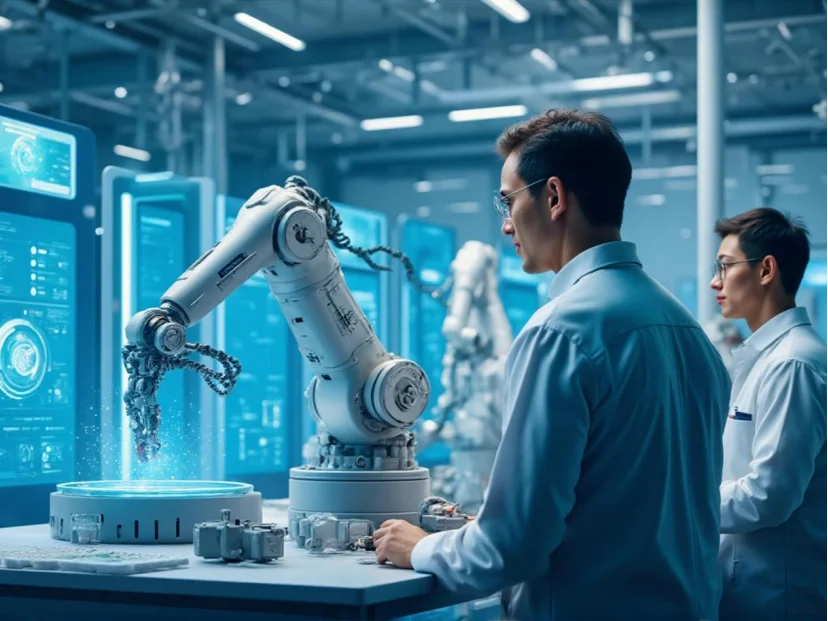
Smart energy storage systems can be attractive for commercial facilities seeking backup power alongside comprehensive energy-management capabilities. Our electronics manufacturing capabilities can support the development of hardware used in energy storage, solar, and microgrid application.
Diesel generators remain valuable when long-duration backup is the primary requirement. We find them especially practical for sites with established fuel supply, where facilities need a proven power generation source that can operate past the discharge window of battery systems.
At Minewing, we therefore recommend evaluating the actual load profile instead of assuming that one technology is universally better. Critical load size, required runtime, available space, environmental requirements, grid reliability, and operating costs all influence the appropriate architecture.
Why System Electronics Matter
Regardless of the energy source, modern power infrastructure depends heavily on reliable electronics. Battery management, power conversion, sensors, monitoring, communication, protection, and control systems determine how effectively different energy assets operate together.
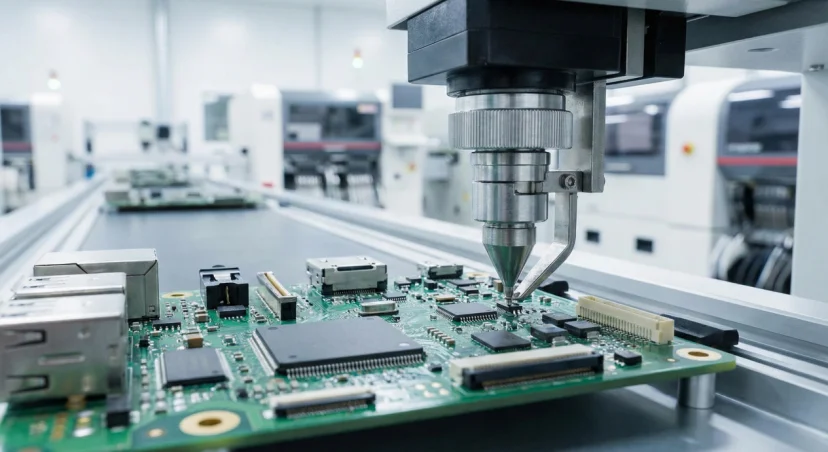
This is where our electronics solutions can support energy-related product development. We help businesses turn electronic concepts into production-ready hardware by combining engineering, PCB development, prototyping, testing, and manufacturing. Our capabilities cover applications including industrial control and connected hardware.
A smart energy product may require dependable communication interfaces, embedded control, power-management functions, and enclosure integration. Designing these elements with manufacturing requirements in mind can help improve reliability and simplify future production scaling.
How We Support Turnkey Manufacturing Solutions
At Minewing, we provide comprehensive turnkey manufacturing solutions that connect product development with production execution. Our process can cover concept development, engineering, rapid prototyping, trial production, PCBA manufacturing, assembly, testing, packaging, and mass production.
We also apply DFM optimization during development to identify potential manufacturing problems before volume production. This approach helps our partners balance functionality, cost, manufacturability, and reliability rather than treating manufacturing as a separate final-stage activity.
Choosing the Right Power Strategy
Smart energy storage systems and diesel generators should not be viewed as direct substitutes in every application. Batteries offer rapid response and can support broader energy-management strategies, while diesel generators provide established long-duration generation when fuel is available. Hybrid systems can combine these strengths, allowing storage to handle shorter events or reduce generator operation while retaining diesel backup for extended outages.
At Minewing, we focus on the electronics and manufacturing foundation behind modern hardware. Through our turnkey manufacturing solutions, we help our partners move ideas from engineering and prototyping toward scalable production. Our goal is to deliver reliable hardware with the quality, integration, and manufacturing support required for demanding B2B applications.