Hardware manufacturers are approaching another important planning cycle as technology expectations, supply chain conditions, and production requirements continue to evolve. For businesses developing IoT devices, smart home systems, wearable technology, and industrial electronics, preparing for 2027 requires more than forecasting demand. Companies must also evaluate manufacturing capabilities, component availability, engineering efficiency, and product lifecycle costs.
Following electronic manufacturing services news can help decision-makers understand how suppliers are responding to changing industry conditions. However, identifying relevant developments is only the first step. Hardware brands must determine which manufacturing trends offer practical benefits for their products, budgets, and long-term production strategies.

Greater Integration of AI and Intelligent Manufacturing
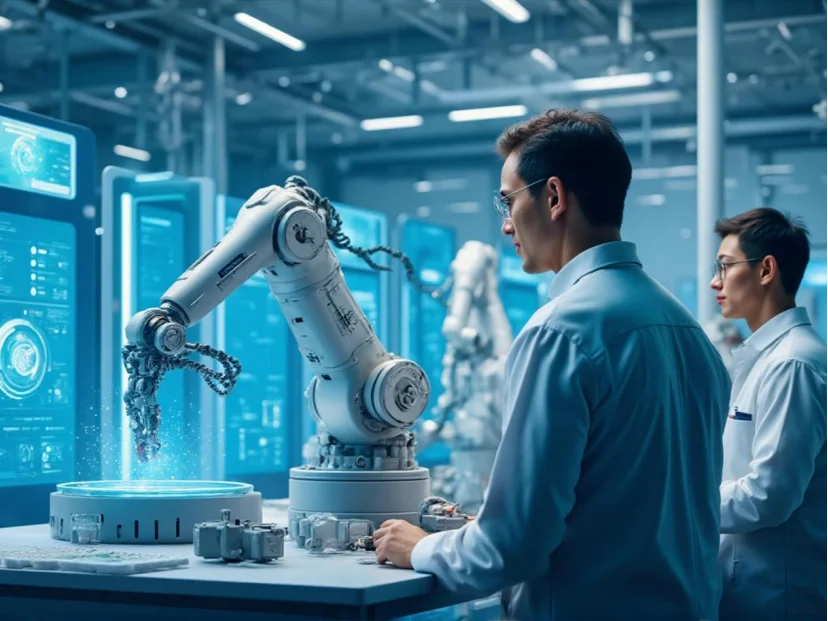
Artificial intelligence is becoming increasingly relevant to manufacturing operations. Rather than focusing exclusively on advanced robotics, manufacturers are exploring AI-assisted inspection, predictive maintenance, production scheduling, and process monitoring.
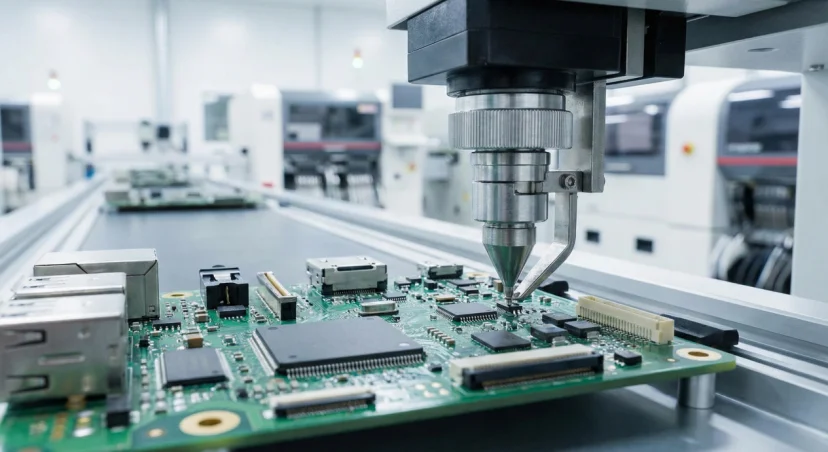
Automated inspection systems can help identify visible assembly defects and inconsistencies more efficiently. Predictive maintenance tools can analyze equipment performance data to identify potential problems before unexpected downtime occurs. These applications can improve production visibility and support more consistent manufacturing processes.
For hardware brands, the important consideration is how these technologies affect actual production outcomes. Manufacturers should evaluate whether intelligent inspection improves defect detection, whether automated scheduling reduces delays, and whether data analysis provides useful information for quality management.
Among the manufacturing trends shaping future production, practical AI adoption deserves attention because it can connect operational efficiency with measurable quality improvements.
Supply Chain Diversification and Component Availability
Electronic component sourcing remains a major concern for hardware businesses. Semiconductor availability, regional manufacturing capacity, transportation costs, and geopolitical developments can all influence procurement decisions.
Companies that depend heavily on a single supplier or sourcing region may face greater exposure to unexpected disruptions. As a result, manufacturers are increasingly considering alternative suppliers, approved component substitutions, and more flexible procurement strategies.
Hardware brands should review the availability and lifecycle status of critical components before finalizing their 2027 production forecasts. Engineering teams should also identify suitable alternatives for important chips, connectors, sensors, and power management components.
Electronic manufacturing services news can provide useful insights into sourcing developments, but businesses should verify supplier information and component specifications before making purchasing decisions.
Smart Hardware Development Requires Closer Engineering Integration
Modern electronic products increasingly combine hardware, firmware, connectivity, and application-level functionality. IoT devices, wearable products, and smart home systems must operate reliably across multiple interconnected technologies.
This complexity makes hardware and firmware co-design particularly important. A PCB layout may meet its electrical requirements but still create difficulties for firmware development, thermal management, wireless communication, or future product updates.
Engineering teams should therefore consider software requirements during early hardware development. Processor selection, memory allocation, power management, sensor interfaces, and communication modules all influence the final product architecture.
At Minewing, we specialize in developing complex IoT devices, smart home systems, wearable technology, and industrial control solutions. Our multidisciplinary engineering expertise supports hardware and firmware co-design, helping businesses connect product performance requirements with manufacturing considerations.
Automation and Flexible Production Systems
Automation remains an important part of manufacturing development, but flexibility is becoming equally valuable. Hardware brands frequently manage several product models, customized configurations, and changing production volumes. Manufacturing systems must accommodate these requirements without creating excessive setup costs.
Programmable equipment, automated testing, digital work instructions, and modular production arrangements can help manufacturers respond to different product requirements. These technologies are particularly relevant to businesses producing multiple electronic product variations.
However, automation investments should reflect production needs. A highly specialized production line may not be economical for products with unpredictable demand or frequent engineering revisions.
Companies should examine how suppliers manage production changes, maintain assembly consistency, and verify product quality across different batches. These considerations are central to evaluating manufacturing trends for businesses planning more adaptable operations.
Stronger Focus on Quality, Traceability, and Product Reliability
As electronic products become more sophisticated, quality management must cover more than final product inspection. Component verification, assembly monitoring, functional testing, and production documentation all contribute to manufacturing reliability.
Traceability is especially valuable for industrial electronics and connected devices. Businesses may need to identify component batches, investigate field failures, or understand when a particular production revision was introduced.
Digital production records can make these activities more manageable. When properly implemented, they provide engineering and quality teams with better visibility into manufacturing history and potential sources of defects.
Hardware brands should ask manufacturing partners about their inspection procedures, testing capabilities, defect management processes, and documentation practices. Following electronic manufacturing services news can reveal emerging quality technologies, but supplier evaluation should remain grounded in demonstrated capabilities.
Sustainability and Lifecycle-Oriented Product Design
Environmental considerations are becoming more relevant to electronics manufacturing decisions. Material selection, energy consumption, packaging, product durability, and electronic waste management can influence both operating costs and market expectations.
Hardware brands can address these issues during product development rather than waiting until production begins. For example, engineers may evaluate material efficiency, reduce unnecessary packaging, and select components with appropriate lifecycle availability.
Designing products for easier repair or component replacement can also support longer product lifecycles. For connected devices, software maintenance and firmware update capabilities are important considerations because they influence how long products remain useful.
These manufacturing trends should be assessed alongside commercial requirements. Sustainable design decisions need to meet technical specifications, applicable regulations, and realistic production budgets.
Preparing Manufacturing Strategies for 2027
Turning industry developments into business decisions requires a structured evaluation process. Hardware companies should begin by reviewing their product portfolios, identifying supply chain risks, and assessing whether existing manufacturing partners can support future requirements.
A useful planning approach includes evaluating component sourcing flexibility, engineering support, production capacity, quality systems, and communication efficiency. Businesses should also distinguish between technologies that offer immediate operational benefits and developments that may require longer investment cycles.
At Minewing, our engineering and manufacturing capabilities cover complex electronic product development, including IoT, smart home, wearable, and industrial control applications. We bring hardware and firmware engineering together to help optimize products for performance and manufacturability.
Building a More Competitive Manufacturing Strategy
Preparing for 2027 requires hardware brands to balance technological progress with practical manufacturing decisions. AI-assisted production, diversified sourcing, integrated engineering, flexible automation, stronger traceability, and sustainable design are all worth evaluating.
By following relevant electronic manufacturing services news and understanding the manufacturing trends that directly affect their product categories, businesses can make more informed investment decisions. At Minewing, we work to connect engineering excellence with manufacturing requirements, helping hardware companies develop reliable products and establish a stronger foundation for long-term growth.