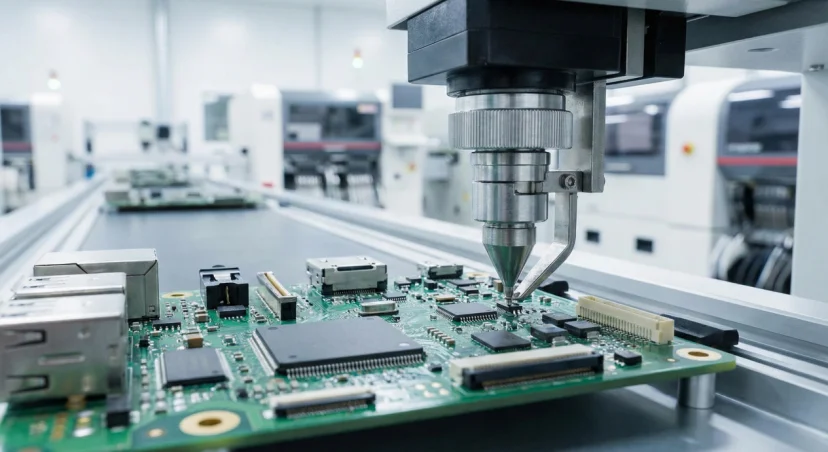
Product development rarely follows a perfectly predictable path. During prototyping, testing, or mass production, hardware companies may discover design weaknesses, component shortages, compliance issues, or opportunities to improve product performance. These situations often require an Engineering Change Order (ECO), a formal process for documenting and implementing modifications to an existing product design or manufacturing process.
Although engineering changes can improve product quality and functionality, poorly managed revisions can increase development costs, delay production, and create unnecessary material waste. For businesses involved in custom electronics manufacturing, controlling ECO expenses requires early planning, clear communication, and coordinated engineering and production management.
Understand What Makes Engineering Change Orders Expensive
An ECO may involve changing a component, adjusting a PCB layout, modifying enclosure dimensions, updating firmware, or revising an assembly procedure. The direct engineering work is only one part of the total expense.
A seemingly minor component replacement, for example, may require schematic updates, PCB modifications, new prototypes, electrical testing, and adjustments to the bill of materials (BOM). If production has already started, existing inventory and assembled units may also need inspection or rework.
Timing is therefore one of the biggest cost factors. Changes introduced during early design stages generally require fewer resources than modifications made after tooling, purchasing, or mass production has begun.
Businesses should evaluate both the technical necessity and the downstream consequences of every proposed revision before approving an ECO.
Establish Clear Requirements Before Development
One effective way to reduce engineering changes is to define product requirements thoroughly before detailed development begins. Incomplete specifications often lead to repeated design revisions because engineers must respond to expectations that were not communicated at the beginning.
Hardware companies should document essential requirements, including product dimensions, operating environments, electrical performance, interfaces, materials, certifications, and expected production quantities. They should also identify which features are mandatory and which can be adjusted during development.
During electronics manufacturing services projects, early discussions between customers, engineers, and manufacturing teams help identify potential conflicts before they become expensive problems.
We encourage customers to review product requirements collaboratively and confirm important design decisions before moving into prototyping. This creates a more stable technical foundation and reduces avoidable changes later.
Use Design Reviews to Identify Problems Early
Design reviews provide an opportunity to identify manufacturing and engineering risks before they affect production. Instead of waiting for a prototype failure, project teams can examine the design from electrical, mechanical, assembly, and operational perspectives.
For electronic products, these reviews may include schematic verification, PCB layout assessment, component availability checks, thermal considerations, and enclosure fit evaluations. Engineers should also consider whether the selected components and manufacturing processes are suitable for the expected production volume.
Design for Manufacturing (DFM) and Design for Assembly (DFA) reviews are particularly valuable. They help identify issues such as difficult soldering access, unnecessary assembly steps, tight mechanical tolerances, and complicated enclosure structures.
At Minewing, we support electronics and enclosure design optimization as part of our product development and manufacturing capabilities. Addressing potential problems before production helps reduce the likelihood of costly redesigns and repeated validation cycles.
Create a Structured ECO Approval Process
Not every proposed engineering change should be implemented immediately. Without a defined approval process, different teams may work from inconsistent drawings, BOM versions, or production instructions.
A structured ECO process should document the reason for each change, affected components, technical modifications, cost implications, and implementation schedule. It should also identify the person responsible for reviewing and approving the revision.
Version control is essential. Engineering teams, purchasing departments, production operators, and quality inspectors must have access to the same approved documentation. Superseded files should be clearly identified to prevent outdated specifications from entering production.
Businesses should also classify changes according to their impact. A minor documentation correction may require limited review, while a component substitution or PCB redesign may require additional testing and customer approval.
This approach makes engineering decisions more transparent and prevents small modifications from creating larger operational problems.
Evaluate Component Substitutions Carefully
Component availability can change because of supplier shortages, discontinuation notices, price increases, or extended lead times. Substitution may be necessary to maintain production schedules, but choosing an alternative based only on price or availability can introduce additional costs.
Engineers should compare electrical characteristics, package dimensions, thermal performance, operating conditions, and compatibility with surrounding circuitry. Depending on the component, firmware changes or additional compliance testing may also be necessary.
In custom electronics manufacturing, approved alternative components can provide useful flexibility when sourcing conditions become uncertain. However, businesses should establish substitution criteria before shortages occur rather than making rushed decisions during production.
We recommend maintaining an approved component list and documenting critical specifications for important parts. This allows purchasing teams to identify potential alternatives while giving engineering teams sufficient information to assess technical suitability.
Coordinate PCBA and Enclosure Changes
Electronic and mechanical designs are closely connected. A PCB modification can affect connector positions, mounting points, cable routing, thermal management, or enclosure dimensions. Similarly, a housing adjustment may influence PCB placement and assembly procedures.
When these changes are managed separately, businesses risk introducing compatibility problems that require additional prototypes or production rework.
An integrated manufacturing process helps teams evaluate the impact of revisions across different product elements. Minewing supports PCBA and enclosure full product manufacturing, along with one-stop manufacturing, assembly, and packaging. Coordinating these activities can make it easier to communicate design updates and maintain consistency between engineering documentation and production requirements.
For electronics manufacturing services partners, the ability to assess both PCB and enclosure implications is an important consideration when managing engineering revisions.
Measure ECO Costs and Learn From Repeated Changes
Controlling ECO expenses requires more than reducing the number of revisions. Businesses should understand why changes occur and which development stages generate the greatest costs.
Useful indicators include the number of ECOs per project, engineering hours per revision, prototype replacement costs, material write-offs, production rework expenses, and schedule delays. Reviewing these figures can reveal recurring problems, such as incomplete requirements, inadequate design validation, or poor component planning.
Project teams should conduct brief reviews after significant changes to determine whether the original issue could have been prevented. These lessons can then improve future specifications, design reviews, and supplier communication.
Build a More Cost-Efficient Engineering Change Process
Engineering changes are a normal part of electronics product development, but their financial impact depends heavily on how they are managed. Clear requirements, early design reviews, structured approvals, component planning, and coordinated manufacturing can significantly reduce unnecessary ECO expenses.
At Minewing, we support hardware businesses from concept to production through electronics and enclosure design optimization, PCBA manufacturing, assembly, and packaging. We value transparent communication, stable supply chains, and long-term problem-solving partnerships.
By involving manufacturing expertise early and maintaining consistent control over engineering revisions, businesses can keep development costs manageable while improving product quality and production readiness.