When purchasing electronic products or outsourcing circuit board assembly, buyers often receive quotations containing technical abbreviations, manufacturing terms, and cost breakdowns. Understanding these details is essential for comparing suppliers, controlling budgets, and avoiding unexpected expenses. One of the most important terms is PCBA, which refers to the assembly of electronic components onto a printed circuit board. However, understanding PCBA meaning involves more than knowing the abbreviation. Buyers also need to understand what the quoted service includes, which materials are covered, and how additional manufacturing costs are calculated.
For startups and established businesses alike, knowing how to interpret a PCBA quotation makes supplier communication more efficient and supports better purchasing decisions.
What Does PCBA Meaning Include in Electronics Manufacturing?
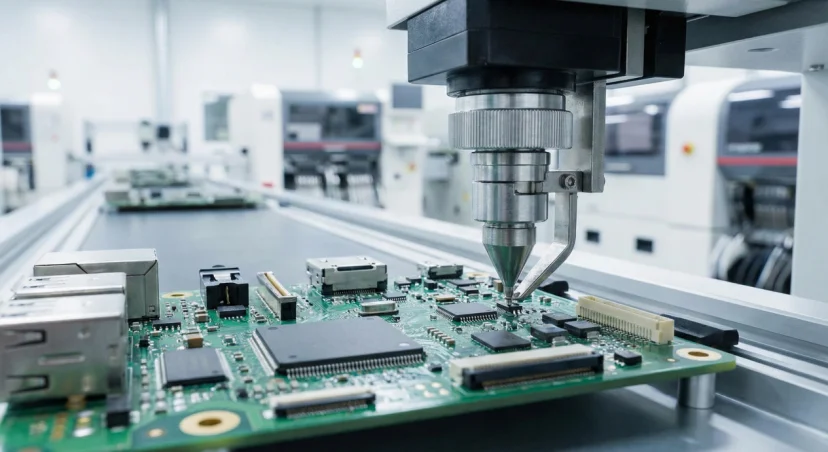
PCBA stands for Printed Circuit Board Assembly. It describes a PCB that has been populated with electronic components through manufacturing processes such as surface-mount technology (SMT), through-hole assembly, soldering, and inspection.
A bare PCB contains conductive pathways and pads but does not perform its intended electronic function until the required components are installed. The assembly process transforms the board into a functional electronic unit.
Buyers should distinguish between PCB fabrication and PCBA production when reviewing quotations. PCB fabrication covers manufacturing the bare board, while PCBA includes component placement and soldering. Depending on the supplier, the quotation may cover both services or only assembly.
This distinction is important because two suppliers quoting similar prices may actually be offering different scopes of work.
Common Terms Found on a PCBA Quotation
A professional quotation usually separates several technical and commercial items. Understanding them helps buyers determine what they are paying for.
1. PCB Fabrication Cost
This covers the bare circuit board, including its material, dimensions, layer count, copper thickness, surface finish, and other specifications. Multilayer boards and specialized materials generally require different manufacturing processes and may increase costs.
2. Component Cost (BOM)
BOM stands for Bill of Materials. It lists the electronic components required for assembly, including resistors, capacitors, integrated circuits, connectors, and other parts. Buyers should check whether the supplier provides component sourcing or expects the customer to supply materials.
3. SMT and Through-Hole Assembly
SMT refers to placing surface-mount components directly onto the PCB. Through-hole technology involves inserting component leads through drilled holes before soldering. A quotation may list these processes separately because they require different equipment, labor, and production steps.
4. Stencil and Tooling Charges
Solder paste stencils support accurate component soldering during SMT production. Depending on the project, fixtures, programming, and other setup requirements may also generate one-time charges.
5. Inspection and Testing Fees
These costs may cover automated optical inspection (AOI), X-ray inspection, in-circuit testing (ICT), or functional testing. The appropriate methods depend on board complexity and product requirements.
Factors That Influence PCBA Pricing
Several technical factors determine the final assembly cost. Component quantity, package size, board dimensions, layer count, and assembly complexity all affect manufacturing requirements.
For example, a board containing numerous fine-pitch components may require more precise placement and additional inspection than a simple design. Components that are difficult to source or have long lead times may also affect the quotation.
Order quantity matters as well. Small batches often have higher unit costs because setup, stencil preparation, programming, and engineering expenses are distributed across fewer boards. Larger production runs can improve cost efficiency through repeatable processes and better equipment utilization.
During electronic prototyping, buyers may also need several design revisions or small production batches. These activities can involve additional engineering and setup costs, so they should be discussed before approving a quotation.
What Buyers Should Check Before Accepting a Quote
A low quotation does not necessarily represent the best manufacturing value. Buyers should first confirm that all suppliers are quoting against the same technical specifications and production requirements.
Important questions include:
Does the quotation cover PCB fabrication, component sourcing, and assembly?
Are components genuine and traceable?
Are alternative components permitted, and who approves substitutions?
Which inspection and testing procedures are included?
Are tooling, stencil, programming, and setup charges separate?
What are the expected production and delivery lead times?
Are packaging and shipping included?
Buyers should also confirm the treatment of defective components, assembly failures, and engineering changes. Clear agreement on these responsibilities can prevent disputes after production begins.
How Electronic Prototyping Supports Accurate Cost Planning
A quotation based only on preliminary design information may change after engineering review. Missing specifications, incomplete BOM information, or unclear testing requirements can create cost differences during production.
Electronic prototyping helps businesses verify circuit functionality, component compatibility, and design performance before committing to larger orders. It also gives manufacturers an opportunity to identify assembly difficulties and recommend design-for-manufacturing improvements.
At Minewing, we support customers through PCB design, PCBA production, enclosure development, assembly, testing, and packaging. We work with startups and growing brands as well as established enterprises, providing integrated manufacturing solutions and engineering support.
Our approach accommodates multiple design iterations and validation stages, helping customers refine their products before scaling production. By reviewing technical requirements early, we help establish a clearer understanding of manufacturing scope, potential costs, and production feasibility.
Make Better Purchasing Decisions With Clear Quotation Details
Understanding PCBA meaning gives buyers a practical foundation for evaluating electronics manufacturing quotations. By distinguishing bare PCB fabrication from assembly, reviewing BOM costs, and checking inspection and tooling charges, businesses can make more accurate supplier comparisons.
Electronic prototyping also helps reduce uncertainty by identifying design and manufacturing issues before larger investments are made. At Minewing, we combine engineering support with integrated manufacturing capabilities to help customers move from product concepts to commercial production. A detailed quotation, supported by clear technical communication, is an important first step toward building a reliable and cost-effective electronics supply chain.