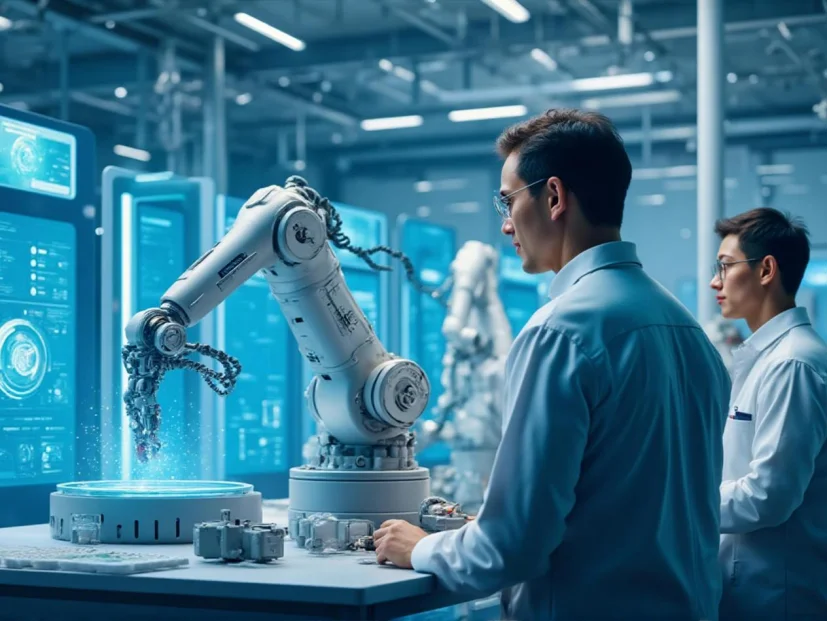
Maintaining a product’s lifecycle after its initial launch involves constant technical oversight to ensure long-term stability and market viability. We frequently engage in sustaining engineering to support our clients in managing the ongoing health of their electronic hardware, addressing issues that arise long after the design is finalized. Through our established B2B manufacturing partnerships, we provide the necessary resources to manage component obsolescence and refine assembly procedures without interrupting the supply chain. Minewing focuses on these operational details to help our partners preserve the value of their investments while ensuring that their products continue to meet original specifications.
Addressing Component Obsolescence and Supply Risks
Technical components often have shorter lifecycles than the products they power, making lifecycle management a priority. As part of our sustaining engineering services, we track component availability and identify potential shortages before they impact production. When a specific part is no longer available, we help implement redesigns or substitutions that maintain the core functionality of the device. Our focus within these B2B manufacturing partnerships is to minimize downtime caused by supply chain volatility. By proactively managing these material transitions, we assist clients in keeping their product lines active and available to their customers without costly delays.
Optimizing Quality and Process Reliability
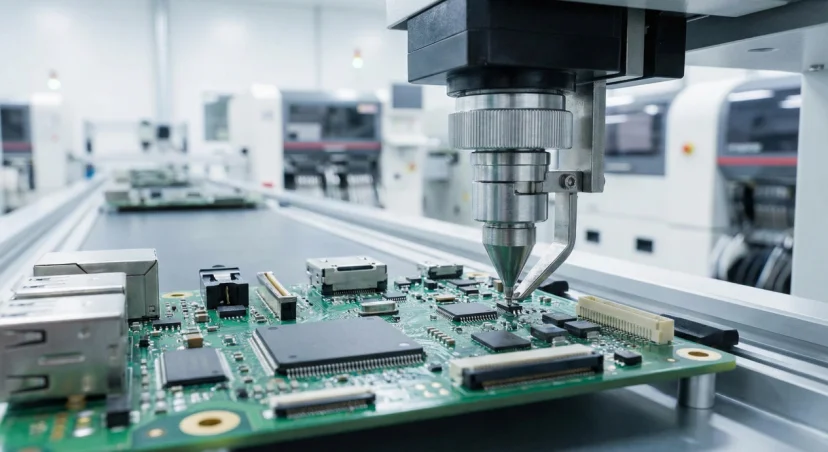
Operational efficiency remains a core goal during the extended life of a product. We utilize sustaining engineering to review assembly data, looking for opportunities to increase yield or reduce material waste during production. Minewing analyzes performance metrics from the assembly floor to detect subtle variations that might affect product longevity or reliability. By refining these manufacturing workflows, we ensure that the quality of every unit remains consistent over time. This iterative review process allows us to address small technical challenges early, preventing them from becoming significant problems that could degrade the end-user experience or necessitate major product recalls.
Adapting to Evolving Regulatory and Market Standards
Market requirements and regulatory standards for electronic devices often shift over time, requiring adjustments to existing products. We work closely with our clients through B2B manufacturing partnerships to assess whether a product needs updates to comply with new safety or environmental guidelines. We evaluate the existing technical documentation and hardware configurations to determine the most efficient path for modification. This ongoing collaboration ensures that a product remains compliant and competitive in its target market. By providing expert technical support throughout this phase, we help our partners avoid the risk of obsolescence while maintaining a steady flow of compliant products to their distribution channels.
Preserving the functionality and compliance of an electronic device is just as important as the initial design phase. By investing in dedicated oversight and iterative improvements, companies can extend the reach and profitability of their hardware significantly. Our team remains dedicated to providing the technical rigor necessary to support these objectives, ensuring that every product we manage maintains its performance standards for years. Continuous refinement of the manufacturing process and supply chain management allows for a stable and predictable product lifecycle, providing a solid foundation for long-term business success.