Industrial production is undergoing a period of significant technical adjustment as factories incorporate automated solutions to handle increasingly complex hardware. This shift is reshaping how manufacturers manage assembly tasks, focusing on higher precision and improved process consistency. As we observe these changes, it is clear that integrating advanced machinery helps companies meet volume requirements while maintaining quality standards. We at Minewing monitor these electronic manufacturing services news updates closely to refine our internal workflows and provide better support for our partners during the production phase.
Enhancing Precision with Automated Assembly
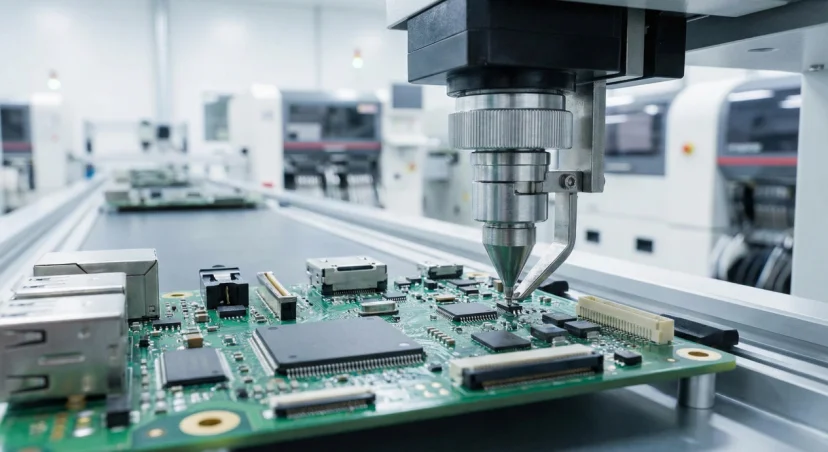
The primary factor driving the increased use of automation is the necessity for consistent precision across assembly tasks. High-speed pick-and-place machines and automated optical inspection systems now handle delicate components that were once prone to manual error. This development, frequently highlighted in electronics manufacturing services news, reflects a broader movement toward reducing variability on the production line. When we integrate these automated systems into our facilities, we observe improved reliability in the final hardware, as machines maintain exact placement standards across every unit produced. By minimizing human intervention in repetitive, high-stakes tasks, we ensure that technical specifications are met with greater consistency throughout the build process.
Leveraging Real-Time Data for Quality Control
A significant aspect of modern production involves using sensors and integrated software to monitor performance in real time. Advanced systems now track key metrics throughout the entire assembly process, providing instant feedback that allows for immediate adjustments if deviations occur. These electronic manufacturing services news reports often emphasize the value of data-driven decisions in maintaining high yields during mass production. At Minewing, we utilize these technical insights to verify that each stage of production adheres to the required project standards. By analyzing data collected during the assembly, we identify potential issues early, which allows us to maintain product quality without disrupting the overall manufacturing schedule for our clients.
Scalable Automation for Complex Hardware
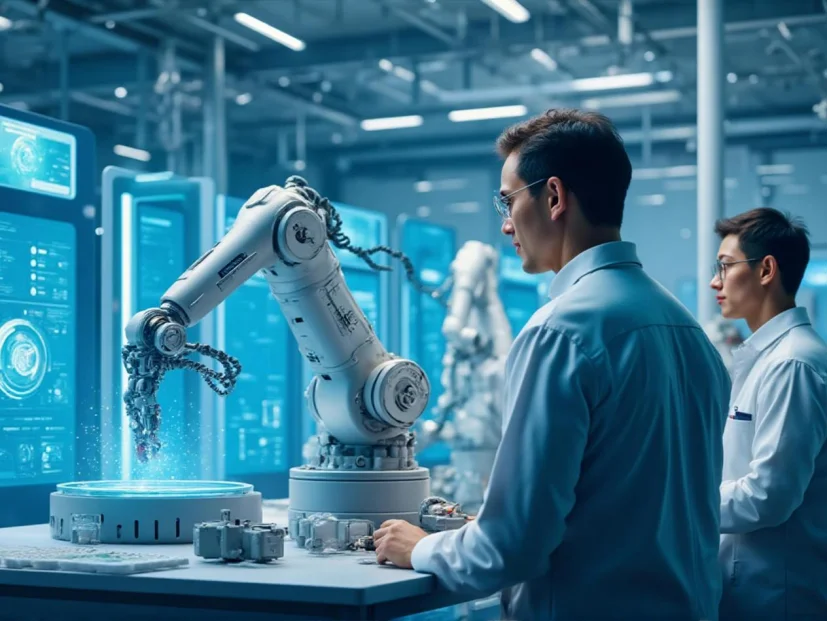
As hardware projects grow in complexity, the ability to scale production while maintaining quality becomes a critical challenge for developers. Automated platforms offer the necessary flexibility to handle varied product designs and fluctuating volume demands, which is essential for projects that require rapid development cycles. Recent updates often highlight how collaborative robots and modular assembly setups enable factories to adapt more quickly to changing project requirements. We apply these scalable methods to streamline our OEM and ODM services, ensuring that we support our partners from the prototype stage through to full-scale production. This inherent adaptability allows us to manage complex hardware builds efficiently while ensuring that each individual unit satisfies the intended design criteria of the developer.
Staying informed about current manufacturing trends allows us to provide better support to our partners as they develop their next generation of electronic products. By combining our deep technical expertise with advanced automated systems, we at Minewing maintain a persistent focus on quality and consistency that supports long-term project success. We remain dedicated to evolving our internal processes to ensure that our manufacturing capabilities align with the technical needs of our clients. Our approach to hardware production continues to prioritize precision and reliability at every phase of the development lifecycle, ensuring a solid foundation for your market entry.