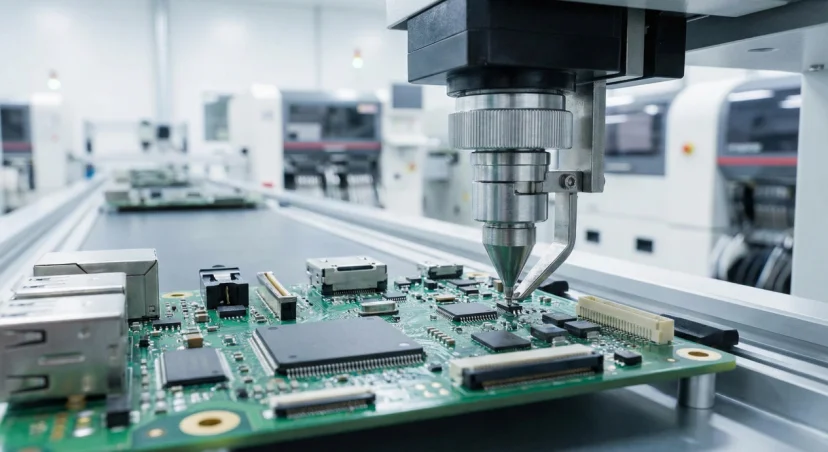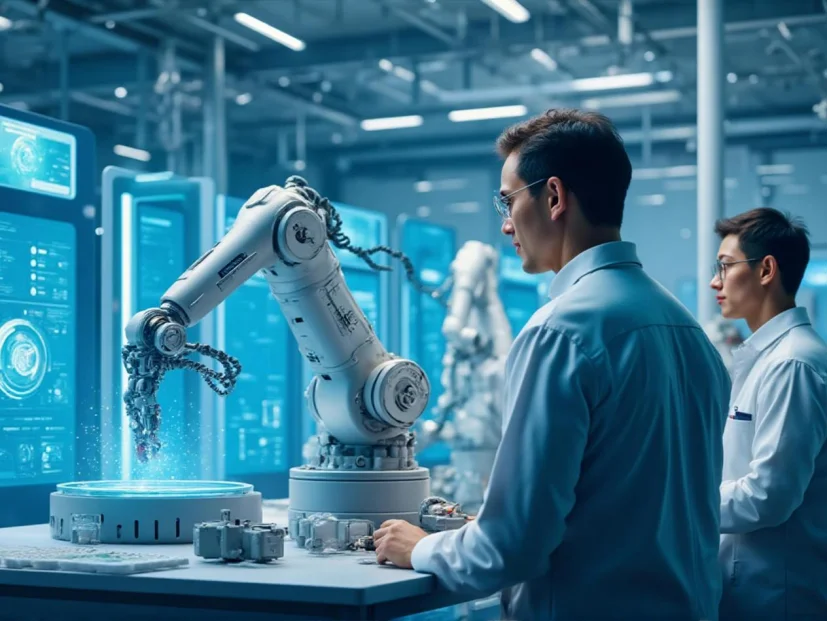
Organizations frequently evaluate how to effectively structure their production operations when moving from design concepts to tangible products. Assessing the differences between collaborative agreements and standard contract arrangements is a necessary step for hardware developers. By analyzing these models, companies can determine which structure provides the stability required for their specific business objectives. We, as Minewing, prioritize open communication and technical alignment to ensure that our clients find the right support for their hardware production needs.
Evaluating Production Model Differences
A basic contract arrangement often focuses on a specific, limited scope of work, such as building a defined quantity of units according to fixed specifications. In contrast, B2B manufacturing partnerships often involve a deeper integration of resources, knowledge sharing, and long-term planning between the client and the provider. We find that such collaborative frameworks allow for more flexibility when technical challenges arise during the build. When companies look into B2B manufacturing partnerships, they often seek more than just assembly services; they look for a collaborator that can offer feedback on design for manufacturability, supply chain optimization, and material sourcing strategies.
Technical Alignment and Quality Assurance
Effective production relies on the seamless alignment of technical documentation and quality standards between the developer and the factory. Within B2B manufacturing partnerships, the focus shifts toward continuous improvement and collective problem-solving. We implement rigorous checks throughout the build to ensure that every circuit board and enclosure meets the defined technical parameters. This collaborative process allows us to address potential issues early, which helps maintain higher yield rates throughout the mass production phase. Minewing leverages this approach to support clients in achieving consistent product quality that matches their original engineering intent.
Long-Term Value and Operational Scaling
Scaling a hardware project requires a reliable structure that can adapt to changing volume demands and market shifts. Engaging in established manufacturing partnerships provides a consistent environment where processes are refined over time. This stability allows us to better manage inventory levels and production timelines for our partners. When we act as a partner, we contribute our expertise to refine the assembly workflow, which helps our clients maintain a competitive edge. This ongoing relationship ensures that the production line remains efficient, scalable, and responsive to the evolving requirements of the hardware project.
Building hardware is a multifaceted challenge that requires more than just a standard vendor relationship. By focusing on collaborative methods, businesses can ensure their production needs are met with greater precision and reliability. We remain dedicated to providing the necessary OEM and ODM support to help our clients reach their development goals through structured and professional engagement. This type of collaborative effort creates a stable foundation for the growth and success of complex electronic hardware products.