Many companies face the decision of whether to manage assembly internally or partner with external facilities. This choice impacts operational efficiency, cost management, and the technical quality of the finished product. By examining the capabilities of professional pcba manufacturing providers, businesses can determine which approach aligns with their production volume and technical requirements. Our experience at Minewing highlights how specialized resources facilitate the scaling of complex electronics projects while maintaining strict adherence to quality specifications.
The Technical Advantages of Specialized Facilities
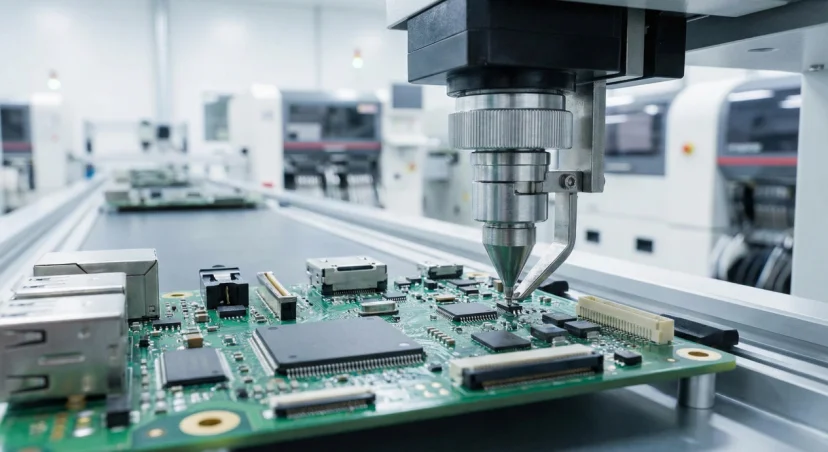
Professional China electronics manufacturers operate with advanced equipment that is often difficult to replicate in-house. These facilities utilize automated optical inspection and high-speed pick-and-place machines to ensure precise component placement on circuit boards. When we handle pcba manufacturing, our environment is optimized for precision, reducing the risk of soldering errors or trace damage. By utilizing specialized production lines, we provide a consistent output that is essential for products requiring high reliability. This technical capacity allows us to manage intricate board designs that might otherwise overwhelm standard internal assembly capabilities.
Resource Allocation and Cost Efficiency
Shifting production to a specialized partner often allows a company to reallocate internal resources toward research and design. Managing a full assembly line requires significant investment in inventory tracking, specialized labor, and quality control infrastructure. As professional china electronics manufacturers, we integrate these complex logistics into our service model. This enables our clients to avoid the overhead costs associated with maintaining equipment and sourcing components. Minewing manages the supply chain, ensuring that materials are available when needed. This approach simplifies the path from design to completion, allowing for more predictable budgeting and operational management throughout the product lifecycle.
Quality Control and Reliability Standards
Ensuring that hardware performs as expected requires rigorous testing protocols that are embedded in the production process. A professional pcba manufacturing setup includes multiple inspection checkpoints, from initial raw material verification to final functional testing. We implement these checks to catch defects early, which is vital for maintaining high yields during mass production. These protocols are part of our core service, providing assurance that every unit leaves the facility meeting the necessary technical criteria. By relying on established inspection methodologies, we minimize field failures, providing a level of consistency that is critical for hardware longevity and performance.
Transitioning from internal assembly to professional manufacturing provides clear benefits for companies looking to refine their production strategies. By leveraging external expertise, businesses gain access to advanced technology, streamlined supply chains, and structured quality processes. Such a partnership supports the development of hardware that meets exact specifications while allowing teams to focus on design innovation and market growth. This strategic alignment remains a practical way to manage the demands of hardware production in a competitive environment.