
A product’s price is often shaped long before it reaches the assembly line. Every resistor, connector, enclosure component, processor, packaging element, and sourcing decision contributes to the final cost structure. Teams exploring how to mass produce a product therefore need to examine the Bill of Materials (BOM) as both an engineering document and a commercial planning tool. A well-managed BOM can reveal unnecessary complexity, sourcing risks, and opportunities to balance performance with manufacturing practicality without compromising the product’s intended function.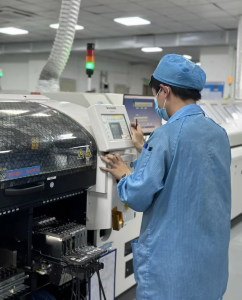
Build a BOM That Reflects the Real Product
An accurate BOM begins with accurate technical information. Each component should have a clear part number, description, specification, quantity, approved supplier, and relevant revision information. Missing or outdated details can cause purchasing confusion and make cost comparisons unreliable, particularly when several components appear similar but have different electrical or mechanical characteristics.
Cost analysis becomes more meaningful when components are grouped by function and procurement category. High-value integrated circuits may account for a substantial portion of the electronics budget, while numerous low-cost passive components can collectively have a noticeable effect on unit economics. Reviewing both major and cumulative costs helps teams identify where optimization efforts are likely to produce meaningful results.
The BOM should also reflect manufacturing requirements rather than existing only as an engineering reference. Assembly methods, packaging needs, testing requirements, and material specifications can influence the final production cost. At Minewing, we consider these relationships during product development so that technical decisions can be assessed alongside manufacturing implications.
Use Prototypes to Test Cost Assumptions
Price optimization should not happen solely inside a spreadsheet. Electronic prototyping provides an opportunity to examine whether alternative components, layouts, or mechanical configurations can deliver the required performance at a practical cost. A lower-priced component has little value if it introduces instability, additional assembly steps, or expensive downstream testing.
Component alternatives should be evaluated according to technical equivalence rather than price alone. Engineers may compare processor options, memory capacities, sensors, connectors, power-management devices, or wireless modules while checking electrical characteristics, package dimensions, software compatibility, and availability. This process can create flexibility without making uncontrolled substitutions.
Prototype builds can also expose hidden costs. A component that appears inexpensive may require difficult manual assembly, special tooling, additional inspection, or a more complicated enclosure. During our development work at Minewing, projects such as the Smart Automatic Pet Feeder demonstrate how electronics, sensors, motors, wireless functions, and mechanical structures need to work together. The product itself should not dominate the BOM discussion; its architecture is what reveals the cost relationships that matter.
Reduce Unnecessary Component Complexity
A BOM becomes harder to manage as the number of unique parts increases. Excessive component variety can create additional purchasing activities, inventory requirements, inspection procedures, and opportunities for assembly errors. Standardizing suitable components across different sections of a product can sometimes simplify the supply chain while maintaining the required specifications.
However, standardization should not become an automatic rule. Replacing a specialized component with a common alternative may affect PCB space, thermal behavior, electrical performance, firmware, or certification. Engineering teams should compare the total impact of a proposed change before approving it, particularly when the product is already approaching production.
Design choices can have a surprisingly large influence on assembly cost. Reducing unnecessary fasteners, simplifying cable connections, consolidating compatible parts, or improving PCB accessibility may reduce labor and handling requirements. Effective BOM optimization often comes from several modest changes working together rather than one dramatic component substitution.
Connect BOM Optimization With Production Planning
Understanding how to mass produce a product requires looking beyond the material list itself. The BOM should connect with assembly processes, production quantities, packaging, testing, logistics, and inventory planning. A component cost that looks favorable at one volume may have a different economic effect at another, especially when purchasing conditions or tooling requirements change.
Production data can make BOM decisions more precise. Actual consumption, defect rates, assembly time, test results, and material usage provide evidence that can be compared with the assumptions made during development. Such feedback allows teams to distinguish between theoretical savings and improvements that genuinely affect manufacturing economics.
Packaging and logistics should not be ignored either. End-to-end manufacturing may include final assembly, custom packaging, and global shipping coordination, all of which influence the product’s delivered cost. At Minewing, we integrate these manufacturing considerations into the broader development process so that the BOM supports not only component purchasing but also the practical path toward commercial production.
Make the BOM a Strategic Engineering Document
A well-optimized BOM does more than list parts and prices. It connects engineering requirements with sourcing decisions, assembly realities, production volumes, and lifecycle planning. Electronic prototyping helps validate whether proposed cost changes work in practice, while structured BOM management keeps those decisions traceable as the product evolves.
The strongest cost improvements usually come from looking at the entire product architecture rather than cutting individual component prices without context. Fewer unique parts, sensible standardization, validated alternatives, efficient assembly, and realistic purchasing plans can collectively create a healthier cost structure.
At Minewing, we treat BOM optimization as part of the engineering and manufacturing conversation rather than a final purchasing exercise. When technical validation, supplier planning, production data, and cost analysis are considered together, how to mass produce a product becomes a question of coordinated decisions rather than simply reducing the price of individual parts.



