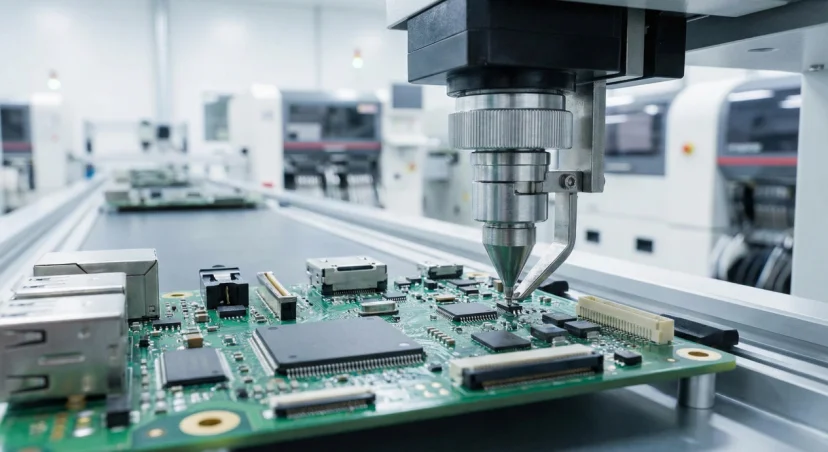
Launching a new hardware project is a complex journey, and the decisions made during the initial design phase often dictate the eventual success of the product. We frequently observe that startups focus heavily on aesthetic and functional features while overlooking the practicalities of large-scale assembly. Incorporating “Design-for-Manufacturability” (DFM) principles early helps bridge the gap between a prototype and a market-ready device. At Minewing, we advocate for this proactive strategy because it simplifies production, minimizes potential defects, and optimizes overall project costs. By evaluating assembly requirements during the development cycle, startups create a more reliable foundation for future growth.
Improving Production Efficiency through Early Planning
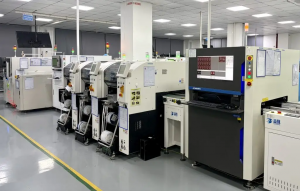
Effective ems manufacturing news coverage often highlights how component selection and layout influence factory throughput. When a design is created with production in mind, we can streamline the assembly process by using standardized components and clear PCB layouts. This early assessment reduces the time spent on manual rework and setup, which are common hurdles for new companies. For us, providing robust electronic manufacturing services news means emphasizing that even small design choices, such as component orientation or test point accessibility, significantly impact the ability to produce goods efficiently. By addressing these factors before moving to high-volume manufacturing, teams ensure their products remain competitive and profitable.
Mitigating Risks and Reducing Costly Delays
Technical oversights can lead to expensive revisions if identified too late in the development cycle. Implementing DFM practices allows for the early detection of issues like heat dissipation constraints or mechanical interference that might otherwise derail a production run. As part of our commitment to transparency in ems manufacturing news, we emphasize that validating the bill of materials and design files against factory capabilities prevents significant bottlenecks. Minewing leverages this data-driven approach to assist clients in identifying risks early. By prioritizing these structural evaluations, startups protect their budgets and avoid the frustration of delayed timelines caused by late-stage engineering changes.
Enhancing Quality Control and Long-Term Reliability
Quality is built into a product during the design phase rather than being added through inspection alone. We find that focusing on electronic manufacturing services news reveals how integrated testing points and standardized panelization ensure consistent performance across large production batches. When a design supports automated inspection, it becomes easier to maintain high standards throughout the entire product lifecycle. This attention to detail allows us to support our partners in achieving reliable output, ensuring that each unit meets the necessary specifications for its target market. By fostering a design environment that accounts for manufacturing realities, we help our clients build products that are durable, compliant, and ready for global distribution.
Developing hardware requires a strategic balance between innovative ideas and the practical demands of the assembly line. By adopting DFM practices early, startups gain significant advantages in efficiency, cost control, and product reliability. We remain dedicated to guiding our partners through these technical nuances, ensuring that every project transitions from a creative concept to a successful manufactured reality. Relying on professional manufacturing support early in the process creates a stable path forward, allowing businesses to scale their operations with confidence while ensuring their products consistently meet the highest standards of performance and quality.