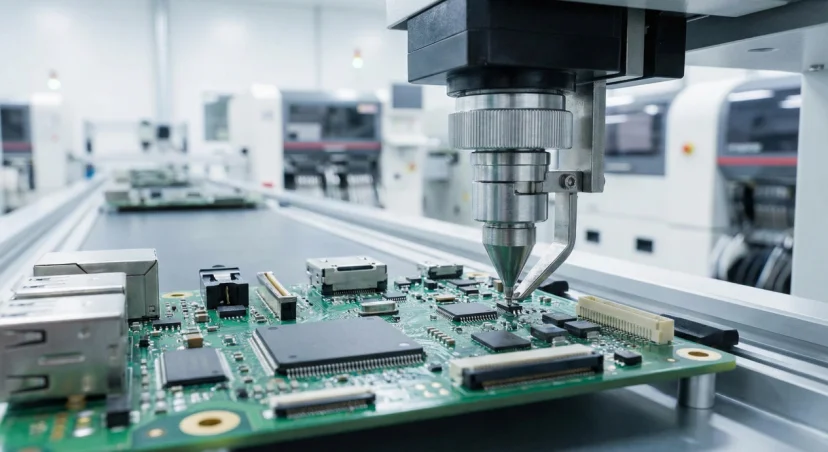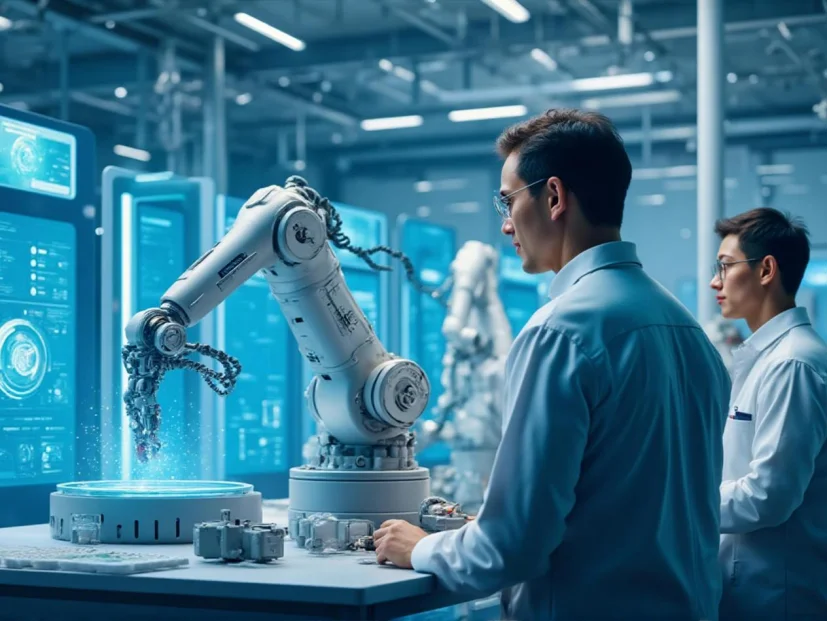
When businesses develop hardware products, the path from prototype to production often presents a significant hurdle. Deciding how to scale your output is a critical juncture that impacts project timelines, quality control, and overall budget efficiency. We frequently observe companies weighing the merits of building their own internal production lines against partnering with external specialists. Evaluating these two approaches requires a clear look at resource allocation and operational capabilities.
The Operational Reality of In-House Production
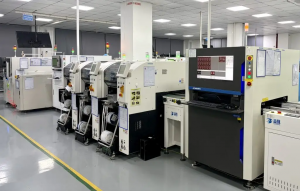
Maintaining an internal facility offers direct oversight over every stage of assembly. When you manage the entire process, your team gains immediate access to the production floor, allowing for rapid adjustments to components or assembly methods. This model works effectively for organizations that possess deep expertise in fabrication technology and can justify the high capital expenditure required for sophisticated machinery. At Minewing, we recognize that some firms prefer this level of control for sensitive intellectual property. However, this path also brings the responsibility of managing supply chains, equipment maintenance, and personnel training, which can divert focus from core product development goals. Building a robust environment for custom electronic manufacturing necessitates constant investment in upgrading machinery to remain relevant.
The Scope of Specialized Partnerships
Partnering with an external service provider shifts the operational burden while providing access to established infrastructure. When we engage in electronic odm services, we utilize pre-existing manufacturing setups that are optimized for agility and high-volume consistency. This arrangement allows your team to redirect capital away from equipment purchases and toward research and design. Minewing provides the expertise needed to handle intricate assembly tasks, ensuring that standards are met without the need for you to oversee daily floor operations. By leveraging a partner’s existing workflows, you benefit from established logistics networks and material sourcing channels, which are essential for maintaining steady production cycles. The transition to an external model often creates a more predictable cost structure, as production expenses become more manageable through shared efficiency.
Strategic Alignment for Long-Term Growth
Deciding on the correct production strategy involves assessing the life cycle of your hardware. If your goal is to iterate quickly and reach markets without the friction of managing a factory, external integration provides a clear advantage. The scalability offered by an experienced partner ensures that as your demand grows, your production capacity expands in tandem without requiring significant internal reorganization. We find that companies often achieve more consistent output quality when they rely on a specialized custom electronic manufacturing partner that focuses solely on hardware assembly. This alignment allows your internal teams to concentrate on market strategy and product innovation. Furthermore, engaging in electronic odm collaborations enables you to tap into technical insights that a dedicated factory partner has gained across various industry projects.
Balancing Your Production Strategy
Developing a hardware product is a complex undertaking that requires careful planning at every stage. Whether you maintain control through internal systems or utilize the expertise found in a custom electronic manufacturing partnership, the priority remains the delivery of a reliable, high-quality product. A thorough assessment of your current technical resources and growth targets will help clarify which direction supports your long-term objectives. By examining how an electronic odm arrangement integrates with your specific business needs, you can refine your approach to assembly and ensure your projects transition smoothly from design to successful deployment in the field.