A promising electronics concept can contain years of engineering work, valuable know-how, and commercially sensitive information before the first production unit exists. That makes intellectual property (IP) protection an essential part of product design and prototyping, not a task reserved for the final production stage. For businesses working with external engineers, component suppliers, and manufacturers, we believe protection should be built into every development handoff.

Identify What Needs Protection Before Development Starts
The first step is understanding exactly what constitutes valuable IP. Product drawings, PCB layouts, firmware, software algorithms, mechanical designs, bills of materials, prototypes, testing data, and manufacturing processes may all contain confidential information.
The World Intellectual Property Organization (WIPO) notes that trade secrets can include technical information such as designs, manufacturing processes, and experimental data, provided the information has commercial value because it is secret and reasonable steps are taken to keep it confidential.
We recommend creating an internal IP inventory before sharing development files. Separating public information from proprietary information also helps determine which employees, engineering partners, and suppliers actually need access to each asset.
Use NDAs Before Sharing Sensitive Information
A non-disclosure agreement (NDA) is one of the most important safeguards when working with outside development or manufacturing partners. WIPO describes an NDA as a legally binding agreement that establishes confidentiality and limits how shared information can be used.
For us, confidentiality should be established before sensitive drawings, source files, specifications, or physical prototypes are exchanged. The agreement should clearly define confidential information, permitted uses, authorized recipients, confidentiality duration, and procedures for returning or destroying materials.
WIPO specifically recommends identifying confidential information clearly and establishing protocols for returning or destroying documents, data carriers, and prototypes when a collaboration ends.
Control Access During Product Design and Prototyping
An NDA alone cannot replace operational controls. During product design and prototyping, different teams may only need access to specific parts of a project. Mechanical engineers may need enclosure drawings, while a PCB supplier may only require board-related files.
We therefore see access control as another practical layer of IP protection. Companies can use permission-based storage, controlled file sharing, version management, and project-specific communication channels to reduce unnecessary exposure.
We maintain records of shared information, sharing timelines and recipients to build better project accountability. As recommended by WIPO, we track confidential materials and their recipients to strengthen our NDA management practices.
Choose an Electronic Prototype Manufacturing Partner Carefully
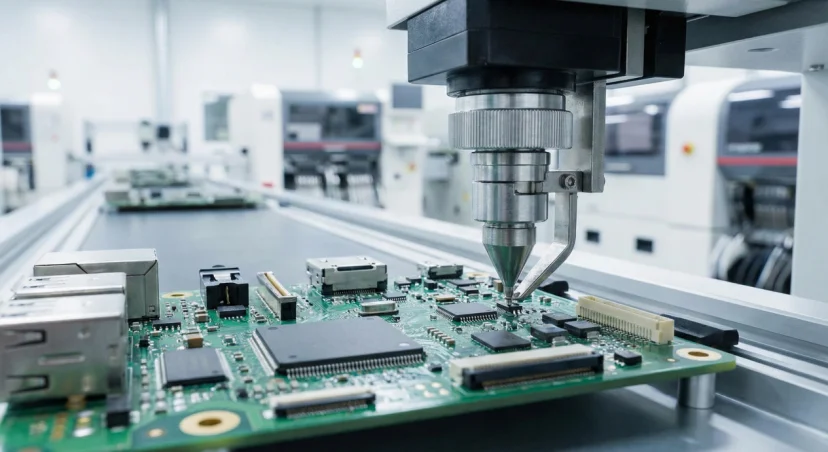
Selecting a manufacturing partner is particularly important because prototyping can require access to the complete product architecture. An electronic prototype manufacturing partner may handle PCB files, firmware requirements, component specifications, mechanical drawings, testing procedures, and physical samples.
We believe businesses should evaluate more than manufacturing capacity. They should also examine engineering capabilities, quality systems, project communication, supply-chain practices, and how we handle confidential project information.
At Minewing, we support electronics development from concept and engineering through rapid prototyping, trial production, and mass production. Our capabilities include PCB layout, enclosure design optimization, rapid prototyping, functional testing, DFM optimization, component sourcing, and production preparation.
Protect the Prototype Physically and Digitally
A physical prototype is itself an information asset. It may reveal enclosure dimensions, component placement, interfaces, antennas, buttons, assembly methods, or other details that are not obvious from a marketing description.
We recommend controlling prototype quantities and maintaining records of where each unit goes. Prototype photographs should also be treated carefully because a seemingly harmless image can expose important design details.
Digital protection matters just as much. Development files should be stored in controlled systems, while outdated versions should not remain freely accessible. Strong IT security and document-access controls are among the preventive measures WIPO recommends for protecting trade secrets.
Define Ownership Before Engineering Work Expands
IP ownership should be addressed before a project becomes complicated. A development agreement should distinguish between the customer’s existing IP, the manufacturer’s pre-existing technology, and any new IP created during the project.
We find this particularly important when multiple companies contribute engineering resources. Contracts should clearly define ownership of design files, custom tooling, firmware, test data and newly developed technologies, as well as the rights to use these assets.
We also recommend documenting approvals and design changes throughout development. A controlled engineering record can help demonstrate how a product evolved and which party contributed specific work.
Build Protection Into the Manufacturing Workflow
IP protection should continue after the first prototype works. As a project moves toward production, more suppliers and production personnel may become involved, increasing the number of people exposed to sensitive information.
Our approach connects engineering, prototyping, trial production, and manufacturing preparation within one workflow. At Minewing, our New Product Introduction (NPI) process includes small testing batches such as Engineering Validation Testing (EVT), DVT, and PVT, along with DFM optimization and supply-chain setup.
For customers, this integrated approach can reduce unnecessary handoffs while keeping engineering and production activities coordinated. It also creates a clearer framework for determining which information needs to be shared at each stage.
Protect Innovation Before It Reaches the Market
Strong IP protection starts well before mass production. By identifying valuable information, using appropriate confidentiality agreements, controlling access, protecting physical prototypes, and defining ownership clearly, businesses can reduce unnecessary exposure during development.
For us, successful product design and prototyping is about more than turning an idea into a working sample. It requires disciplined engineering, controlled collaboration, and a manufacturing partner that understands the sensitivity of the development process. Through our electronic prototype manufacturing and end-to-end electronics capabilities, we help customers move from concept toward production while keeping technical, engineering, and manufacturing activities closely connected.